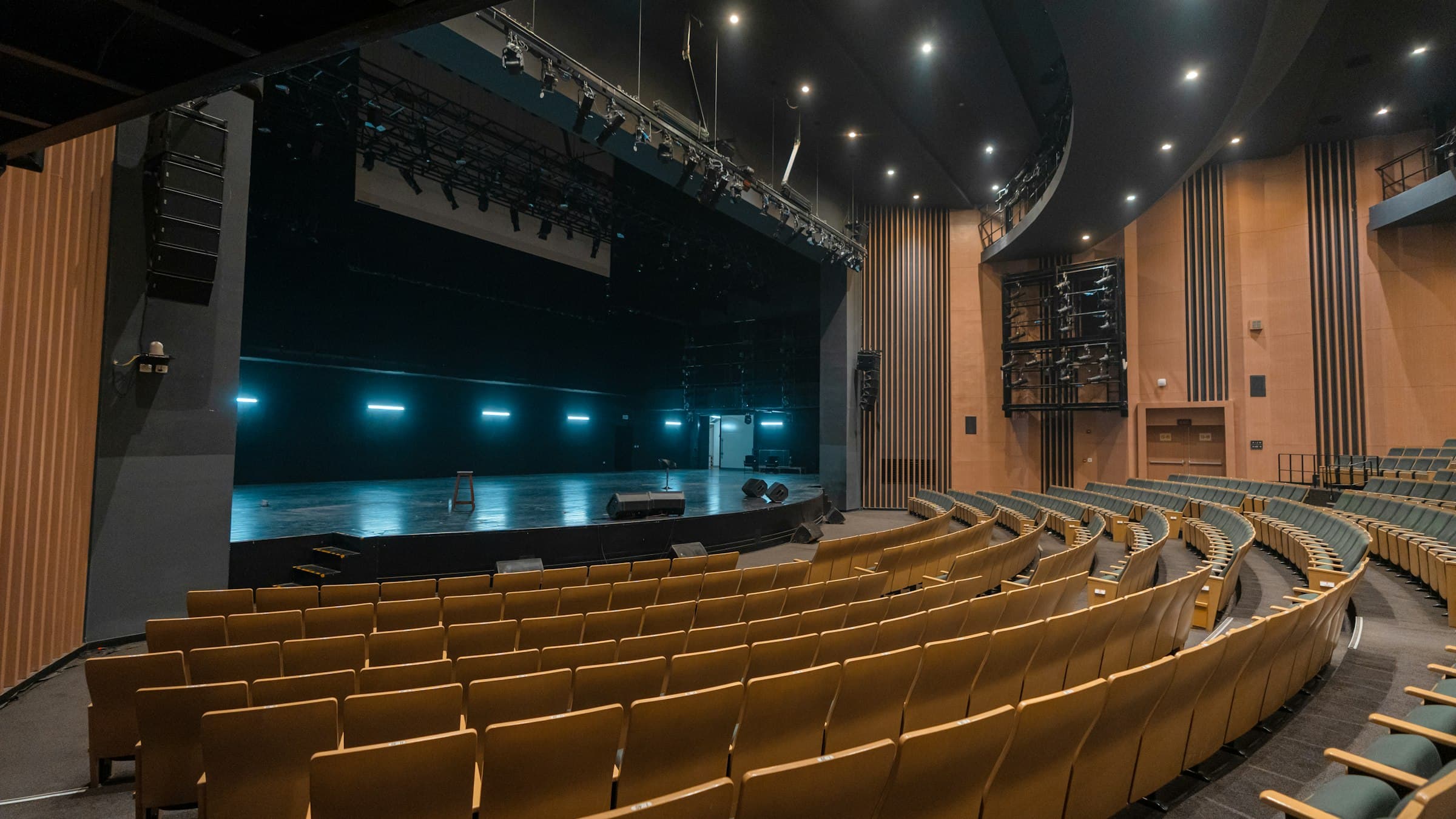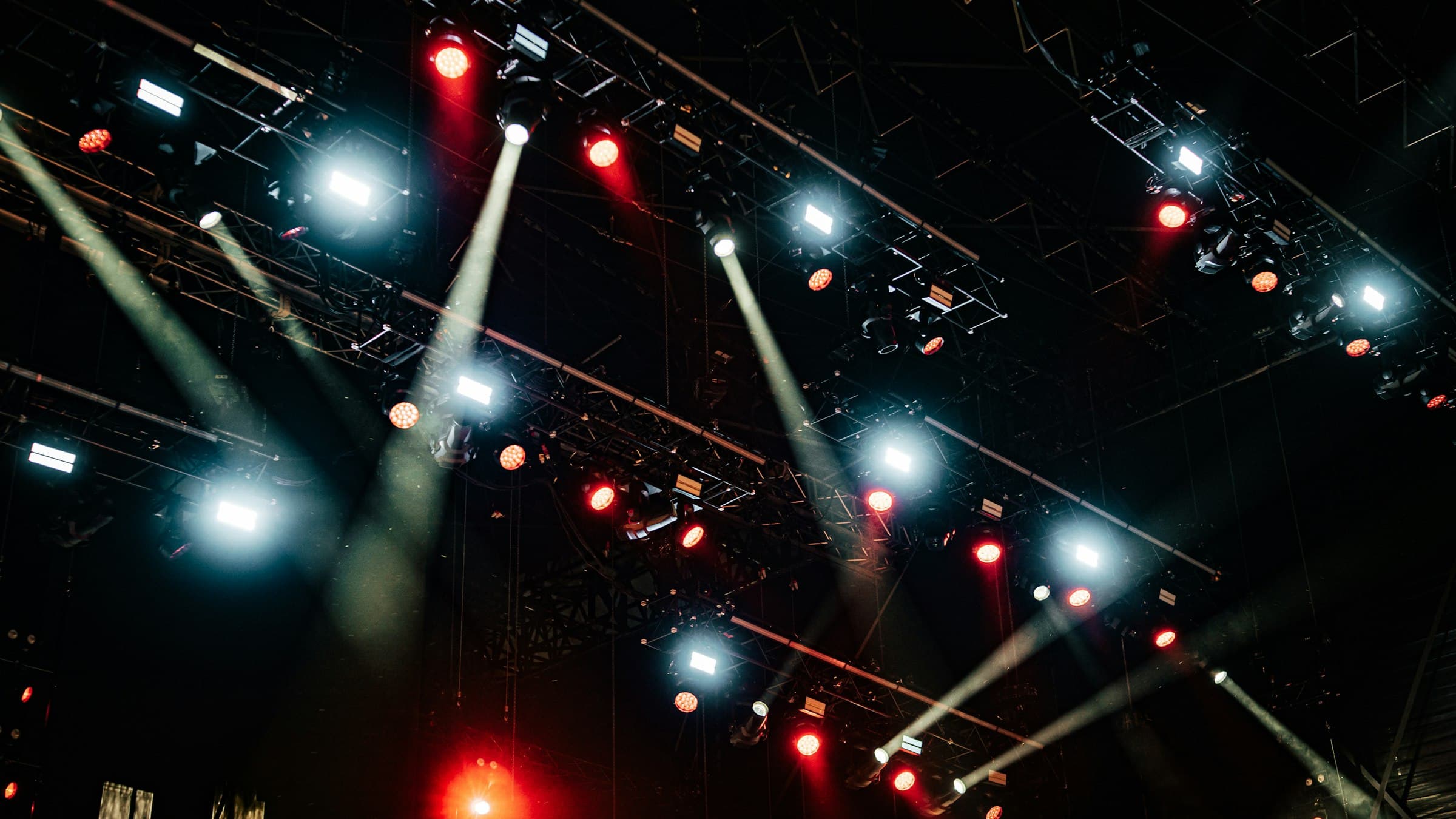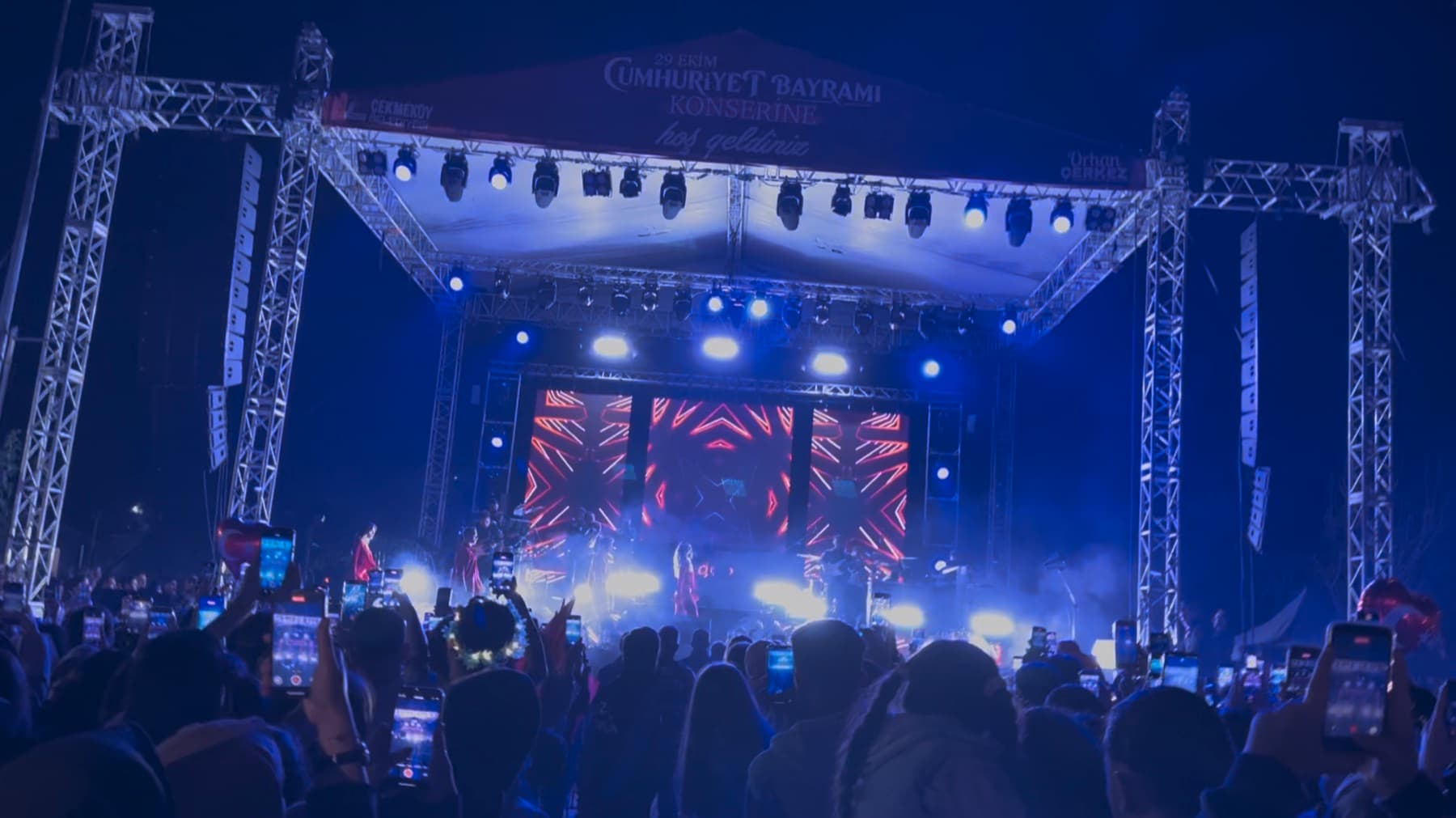
An outdoor event technical checklist brings together dozens of variables you never think about in a ballroom. Wind, rain, sun, ground conditions, power, access and permits all affect safety and the running order. Turkey's Mediterranean and Aegean coasts are ideal for open-air concerts, beach parties and garden galas, especially around Antalya and Belek, but planning from abroad makes it easy to miss local details. Use this checklist with your production partner to cover the essentials.
1. Weather: wind, rain and sun
Weather is the biggest risk in open-air production. Roof stages, flown PA systems and LED walls present large surfaces to the wind, so every structure comes with manufacturer-defined operating and evacuation wind limits that must be monitored throughout the event.
- Wind plan: keep an anemometer on site and write down in advance what happens when limits are reached: lowering the LED wall, removing banners and scrims, moving the audience back.
- Rain plan: protect the stage roof, FOH tent, cable runs and power distribution. Keep spare covers ready for equipment.
- Sun and heat: in summer on the Antalya coast, equipment in direct sun heats up quickly. Plan shade and water for crew and ventilation for gear during daytime builds.
Track the forecast daily in the run-up to the event and keep the build and rehearsal schedule flexible.
On the coast, wind direction and its daily pattern matter too. Afternoon sea breezes often ease in the evening, so wind-sensitive tasks such as flying LED panels or hanging banners can be scheduled for calmer hours. Salt and humidity also affect equipment and connectors near the shore, which makes covers and regular checks even more important.
2. Ground and site survey
Stages, truss towers and LED walls need firm, level ground. Grass, sand, soil or slopes require extra measures:
- Assess bearing capacity and the risk of soft ground after rain.
- Level stage legs on slopes and use timber or steel spreader plates where needed.
- On beaches, plan vehicle and forklift access separately.
- Check for underground pipes and cables before using stakes or ground anchors.
During the survey, map truck access, the loading point, audience entrances and exits, and emergency routes together.
Fix the front-of-house position during the survey as well. Sound and lighting operators need a level, sheltered spot near the centre of the audience with a clear view of the stage, and the multicore route from stage to FOH must be planned and protected from the start.
3. Power and generators
Outdoor events usually run on generators. If audio, lighting, video, catering and site lighting share the supply, calculate the total load item by item.
| Checkpoint | Why it matters |
|---|---|
| Total load calculation | An undersized generator means outages mid-show |
| Separate audio supply | Keeps lighting and LED noise out of the sound system |
| Backup generator | Essential for large concerts and broadcast continuity |
| Earthing and RCD protection | The basis of electrical safety on wet ground |
| Fuel plan | Long rehearsal and show days need scheduled refuelling |
| Cable routes and ramps | Cables crossing audience paths need cable protectors |
Also consider generator placement relative to the audience and stage for noise and exhaust.
Even in hotel gardens with mains power available, check the capacity of the distribution board and its breakers. A board shared with kitchens, pool pumps and air conditioning can trip mid-event. A hybrid plan that combines mains and generator power is often the safer option.
4. Build and strike schedule
Outdoor builds carry more uncertainty than indoor ones. Weather, ground and access can all stretch the timeline. A realistic schedule includes:
- Site handover and ground preparation
- Stage and roof build, rigging
- Sound, lighting and LED installation
- Power connections and system tests
- Soundcheck and full rehearsal
- Show
- Strike and site handback
Large roof stages can take one or more days to build. The strike often starts at night right after the show, so work lighting and crew safety need their own plan. Always add buffer time for weather, ideally a spare day.
Take the strike as seriously as the build. Agree when the venue needs the site back, whether night work is allowed and when trucks can enter. At resort hotels, guest quiet hours mean the noise of load-out has to be planned as well.
5. Permits and local approvals
Depending on the land owner and the size of the event, open-air events in Turkey may need municipal permission for the site, agreed noise levels and curfews, coordination with fire and medical services and a crowd safety plan. Hotels and resorts also have their own house rules, quiet hours and obligations to neighbouring properties. Permits are typically the organiser's responsibility, but your production partner should supply the technical information, such as stage structure details and power plans, needed for the process.
6. Safety and emergency planning
Make sure your checklist includes:
- Stage and flown systems installed and inspected by a competent crew
- A written stop and evacuation procedure for high wind and storms
- Backstage areas closed to the public and a clear barrier plan
- A microphone and PA ready at all times for emergency announcements
- Radio or intercom links between technical and event teams
For more on roofs and flown equipment, read our guide to truss and rigging safety.
Plan your outdoor event with us
BernStage manages stage, sound, lighting, LED and power planning for open-air concerts, festivals and hotel events from Istanbul to Antalya. See our stage rental Turkey and event production Turkey pages, then share your date and site details. From site survey to the last cable at load-out, we plan it with you. Get a quote.