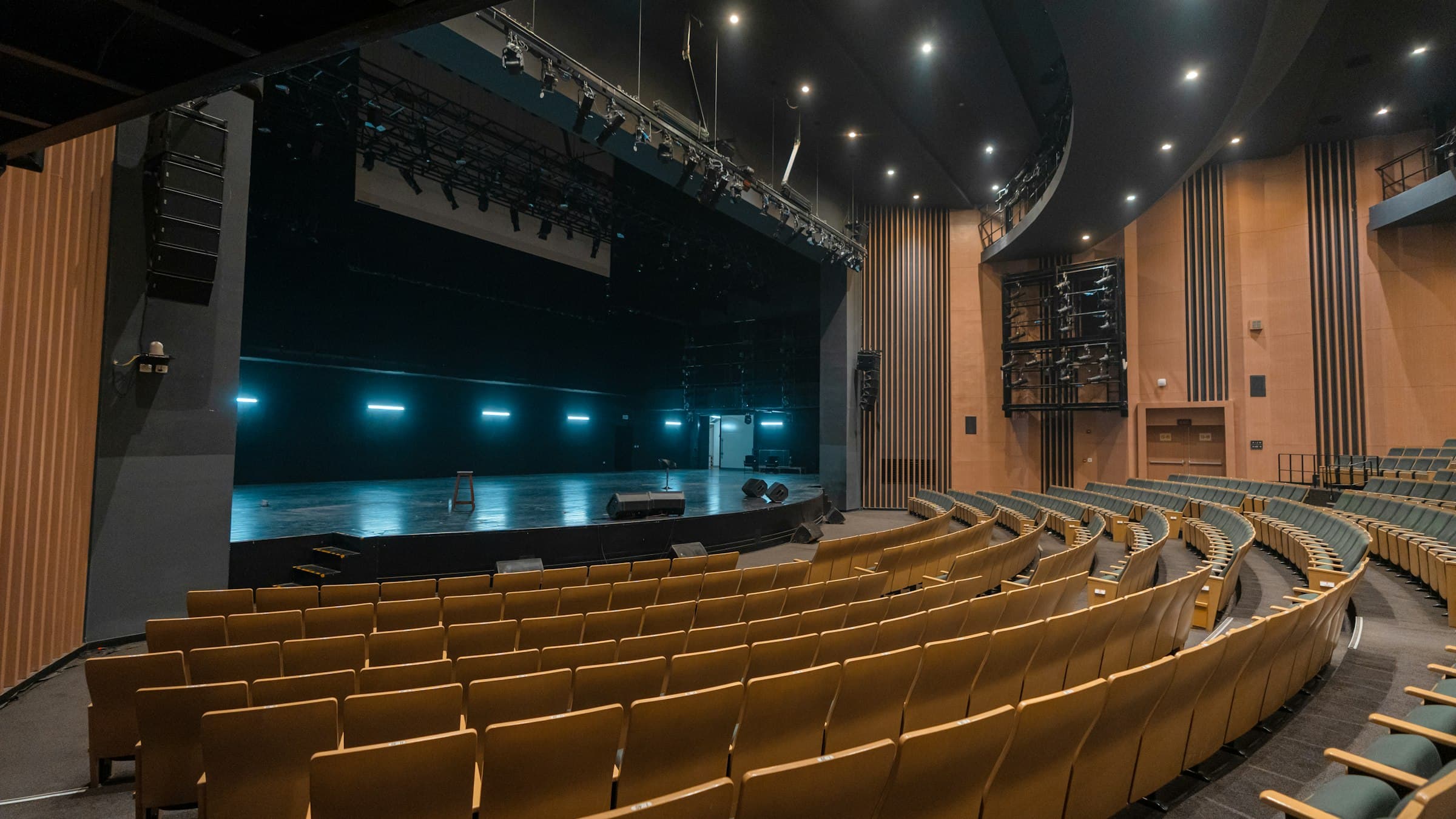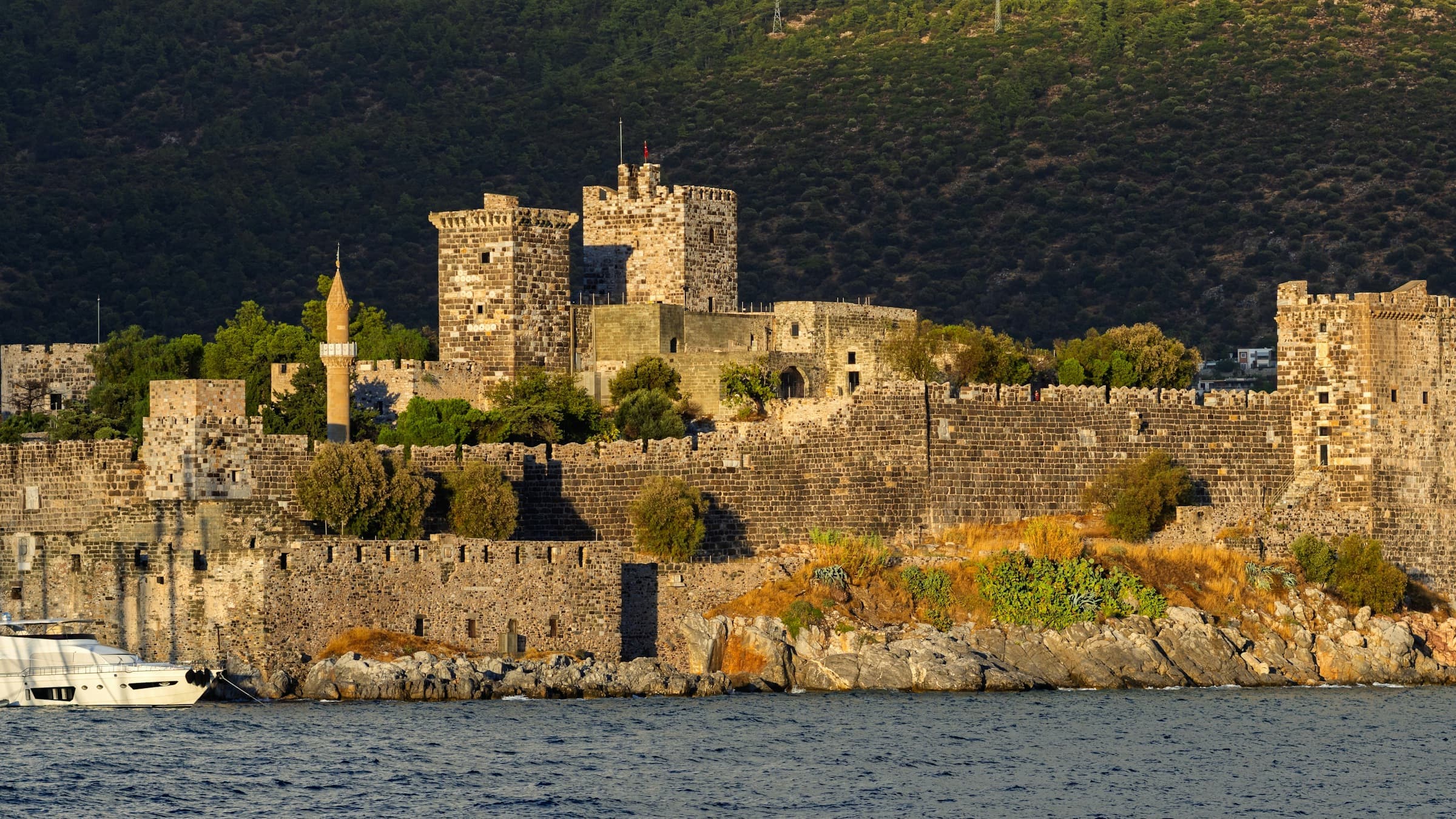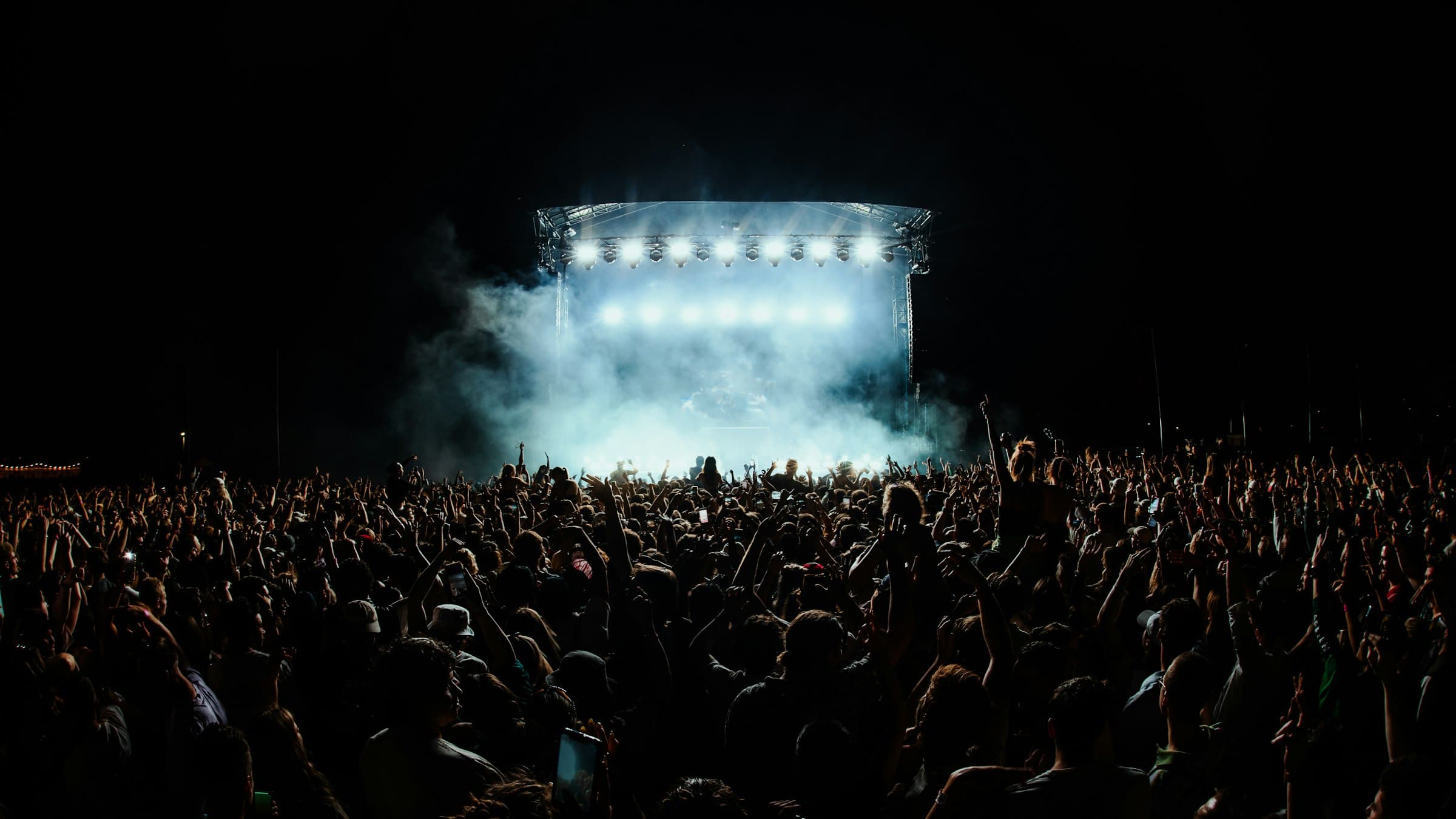
Stage rental across Turkey becomes a logistics question the moment your event moves beyond Istanbul. A resort in Bodrum, a congress in Ankara, a summer festival on a Black Sea plateau or a product launch in Gaziantep each sit hundreds of kilometres from an Istanbul equipment base. BernStage builds stages in all 81 provinces of Turkey: planning, crew and equipment are dispatched from our Istanbul base, and the same team handles build, show call and strike. For international agencies and planners, that means one technical partner and one plan wherever the event lands. This guide explains how a nationwide job works, how lead times scale with distance, what changes by region and climate, and lists every province by region.
How stage rental across Turkey works
In short: an out-of-town stage job follows the same steps as a city job, but every step starts earlier and carries more redundancy.
- Brief: date, province and venue, indoor or outdoor, expected audience, event type and any artist or speaker riders.
- Site survey: photos, a dimensioned sketch, ground type, power sources and the truck access route; a physical recce for larger projects.
- Technical plan: stage size and height, roof or truss solution, sound, lighting and LED layout, power plan and load list.
- Permits and coordination: municipal permission for public spaces, build windows agreed with the venue, security and traffic plans.
- Dispatch: trucks, crew travel and accommodation, timed to the distance.
- Build, rehearsal, show and strike: led by a stage manager, with the crew on site throughout the event.
Distance changes the stakes. A missing cable in Istanbul is an hour's drive away; 1,200 km from base it can stop a show. That is why out-of-town load lists carry spares of critical items such as cabling, connectors, data and power distribution, microphones and control computers. Our full range of stage systems is on the stage rental Turkey page.
Lead times by distance from Istanbul
Departure times depend on distance, road conditions, legal driving and rest hours for truck drivers, and the season. The table gives a planning framework; exact schedules are fixed per project after the site survey.
| Approx. road distance from Istanbul | Example provinces | Equipment departs |
|---|---|---|
| 0–250 km | Kocaeli, Sakarya, Tekirdağ, Yalova, Bursa | Morning of the build day or the evening before |
| 250–600 km | Ankara, Eskişehir, Izmir, Çanakkale, Balıkesir | The day before the build |
| 600–1,000 km | Antalya, Muğla, Konya, Kayseri, Samsun, Adana, Mersin | 1 to 1.5 days before the build |
| Over 1,000 km | Trabzon, Gaziantep, Erzurum, Diyarbakır, Van, Kars, Hakkari | At least 2 days before, plus a buffer day in winter |
On long hauls, a buffer day is the simplest insurance you can buy: a delay on the road is absorbed without eating into build time. Plan the return just as carefully, since a late-night strike followed by a long drive needs accommodation and rest built into the schedule.
Site surveys, permits and local resources
For a venue the crew has never seen, the survey answers a few decisive questions. Can a full-size truck reach the stage position, or does the load need to be transferred to smaller vehicles? Is the ground asphalt, grass, sand or a slope, and will it carry stage legs and roof ballast? Will power come from the venue or from generators? Are forklifts or cranes available locally? Public spaces such as squares, parks and seafronts need permission from the local municipality and, where required, other competent authorities, and often coordination with police and municipal officers, so start the application weeks ahead and attach the stage drawings. Heavy but standard items such as ballast tanks or blocks, large generators, forklifts and crowd barriers can be planned locally to reduce freight, while the stage, roof, truss, sound, lighting and LED travel from the same inventory so the crew knows every component they rig. For crowded outdoor events, a separate technical checklist should then cover ground, power, wind, emergency exits and crowd flow.
Regions, seasons and climate risks
Turkey's regions can deliver completely different weather in the same week. That affects roof choice, LED shading, generator sizing, crew hours and how many days the build needs.
| Region | Typical season / climate risk | Planning note |
|---|---|---|
| Marmara | Year-round events; rain and strong southwesterly wind in autumn and winter | City traffic, bridges and ferries; often same-day dispatch |
| Aegean | Long summer; strong afternoon coastal winds; cold inland winters | Hotel and marina rules in peak season; monitor wind |
| Mediterranean | Heat and humidity in July and August; winter downpours | Build early morning and evening; shade equipment |
| Central Anatolia | Hard winters with snow and frost; dry, dusty, windy summers | Large day-night temperature swings; winter snow plan |
| Black Sea | Rain possible all year, fog; short summer season | Roofed stage almost always; small vehicles on plateau roads |
| Eastern Anatolia | Long, snowy winters, high altitude; short summer | Longest hauls; mountain passes, chains, generator derating |
| Southeastern Anatolia | Very hot, dry summers and dust; mild spring and autumn | Schedule shows and rehearsals for the evening |
Marmara Region
Marmara is the region closest to our base, and for the nearer provinces it often means a same-day dispatch, but it has its own constraints: heavy-vehicle traffic and time restrictions around Istanbul, bridge and motorway routing, and car-ferry bookings for island events on Gökçeada, Bozcaada or Avşa. Municipal concerts, Thrace summer festivals, commemorations in Çanakkale, industrial corporate events in Bursa and Kocaeli, and university graduations make up much of the calendar.
Provinces (11): Balıkesir, Bilecik, Bursa, Çanakkale, Edirne, Istanbul, Kırklareli, Kocaeli, Sakarya, Tekirdağ, Yalova.
Aegean Region
The coast peaks in summer with destination weddings, resort events and beach concerts in Bodrum, Çeşme and Kuşadası, while Izmir hosts fairs, congresses and large concerts. Afternoon winds on the coast need constant monitoring for roofs and LED walls, and hotels and marinas set their own build hours and noise limits. Inland provinces are colder in winter than the coast, and Afyonkarahisar and Denizli in particular are known for thermal hotels that host conferences.
Provinces (8): Afyonkarahisar, Aydın, Denizli, Izmir, Kütahya, Manisa, Muğla, Uşak.
Mediterranean Region
The Mediterranean coast has a long tourism season and hot, humid summers. Midday builds in July and August are hard on crew and electronics, so work shifts to early mornings and evenings and amplifiers and control positions are shaded. The Lakes District provinces (Isparta, Burdur) lie inland at higher altitude with much colder winters, and reaching them from Antalya means Taurus mountain roads. In provinces affected by the 2023 earthquakes, such as Hatay and Kahramanmaraş, venue options and ground conditions may have changed, which makes a physical survey more important.
Provinces (8): Adana, Antalya, Burdur, Hatay, Isparta, Kahramanmaraş, Mersin, Osmaniye.
Central Anatolia Region
Central Anatolia covers everything from state ceremonies and congresses in Ankara to large municipal concerts in Konya and Kayseri and outdoor events in Cappadocia. The continental climate brings snow and sub-zero builds in winter and dry heat, dust and sudden steppe winds in summer, with big temperature drops after sunset. In Cappadocia, narrow valley and village roads often decide which vehicles can be used.
Provinces (13): Aksaray, Ankara, Çankırı, Eskişehir, Karaman, Kayseri, Kırıkkale, Kırşehir, Konya, Nevşehir, Niğde, Sivas, Yozgat.
Black Sea Region
Rain is part of the plan here, especially in the east, even in summer. A weather-rated roof, raised and covered cable runs and rain protection for equipment are standard. The coastal highway is good, but roads up to the summer plateau festivals can be narrow, steep and partly unpaved, so loads are often transferred to smaller trucks. The western provinces are a few hours from Istanbul; Rize and Artvin are over 1,000 km away.
Provinces (18): Amasya, Artvin, Bartın, Bayburt, Bolu, Çorum, Düzce, Giresun, Gümüşhane, Karabük, Kastamonu, Ordu, Rize, Samsun, Sinop, Tokat, Trabzon, Zonguldak.
Eastern Anatolia Region
Eastern Anatolia means the longest hauls from Istanbul: roughly 1,600 to 1,900 km by road to Van or Hakkari. Cities such as Erzurum and Kars sit at high altitude with long, snowy winters, so mountain passes, snow chains and live road reports are part of the plan, and generators are sized with extra capacity because output drops with altitude, following the manufacturer's derating data. The outdoor season is mostly June to September; winter events at ski resorts mean building on snow with cold-rated equipment and well-protected crews.
Provinces (14): Ağrı, Ardahan, Bingöl, Bitlis, Elazığ, Erzincan, Erzurum, Hakkari, Iğdır, Kars, Malatya, Muş, Tunceli, Van.
Southeastern Anatolia Region
Summer temperatures can exceed 40 °C, so shows and rehearsals move to the evening, builds start at dawn and LED walls and electronics are kept out of direct sun. Spring and autumn are the most comfortable seasons for outdoor work. Gaziantep is a major industrial and trade city with a strong corporate event calendar, while Şanlıurfa and Mardin attract cultural and tourism-led events. In Mardin's stepped stone streets, trucks may not reach the venue at all, and hand-carrying time must be added to the build.
Provinces (9): Adıyaman, Batman, Diyarbakır, Gaziantep, Kilis, Mardin, Siirt, Şanlıurfa, Şırnak.
What to send for an out-of-town stage quote
Share the province and exact venue address with a map pin, the event date with earliest access and latest strike times, indoor or outdoor and ground type, audience size, artist or speaker riders, and the status of any public-space permit. With that, we can plan the haul, the crew and a stage that suits the region's conditions. For the wider technical picture, see our event production Turkey page, then send your details through the quote form and we will come back with an itemised proposal.