Whether you are launching a collection in Istanbul or staging a destination show at a resort on the Antalya coast, fashion show runway hire in Turkey comes down to one principle: everything exists to show the garment. A concert stage is filled by a performer; a runway is crossed by a model who walks, pauses, turns and leaves. That difference drives the shape and height of the catwalk, the lighting angles, the position of the press and even the power plan backstage. This guide walks international brands, agencies and stylists through the technical side of a fashion show in Turkey.
Fashion show runway hire: what makes a good catwalk?
A runway (catwalk) is a long, narrow platform with a perfectly level, non-slip surface that brings models through the audience. The essentials are:
- A seamless surface: no height differences or gaps between deck modules, joints taped or covered with a single continuous floor, because stiletto heels find every gap.
- The right height: high enough for the rows behind the front row to see the shoes, but below seated eye level so the front row is not looking up at the hem.
- Even light: identical brightness and colour temperature along the whole length, with no dark steps.
- A press riser: a tiered photographers' platform facing the end of the runway.
- Safe entry and exit: stairs or a ramp from backstage and discreet edge marking.
Runway layouts, dimensions and height
The straight (I) runway gives the cleanest photo line. A T-shape adds a wide posing area at the end and suits brand presentations with a host. L and U shapes work in wide ballrooms where you want more front-row seats. In boutiques and showrooms, a floor-level walk with a clear audience line can be enough.
| Layout | Best for | Watch out for |
|---|---|---|
| Straight (I) | Classic shows, press coverage | Posing point and press riser at the end |
| T-shape | Launches, hosted presentations | Extra light and solid joints at the junction |
| L or U | Wide rooms, many front-row seats | Even light and clean joints at the corners |
| Floor level | Retail, showroom, intimate shows | Clear separation between guests and models |
Widths typically range from 1.2 to 2.4 m: 1.2 to 1.6 m for single-file walks, 2 m or more when models pass each other. Heights of 40 to 80 cm are common. Length follows the room; too short breaks the model's rhythm, too long slows the show down. For modular deck systems, see our guide to portable stages and risers.
The surface matters as much as the structure. A matte, non-slip finish such as dance vinyl avoids reflections in photos and gives models confidence. If the concept calls for a gloss floor, test it with the actual shoes before the show. Skirting closes the sides, and a fine tape line or low-level LED strip marks the edge.
Lighting for fashion: colour first
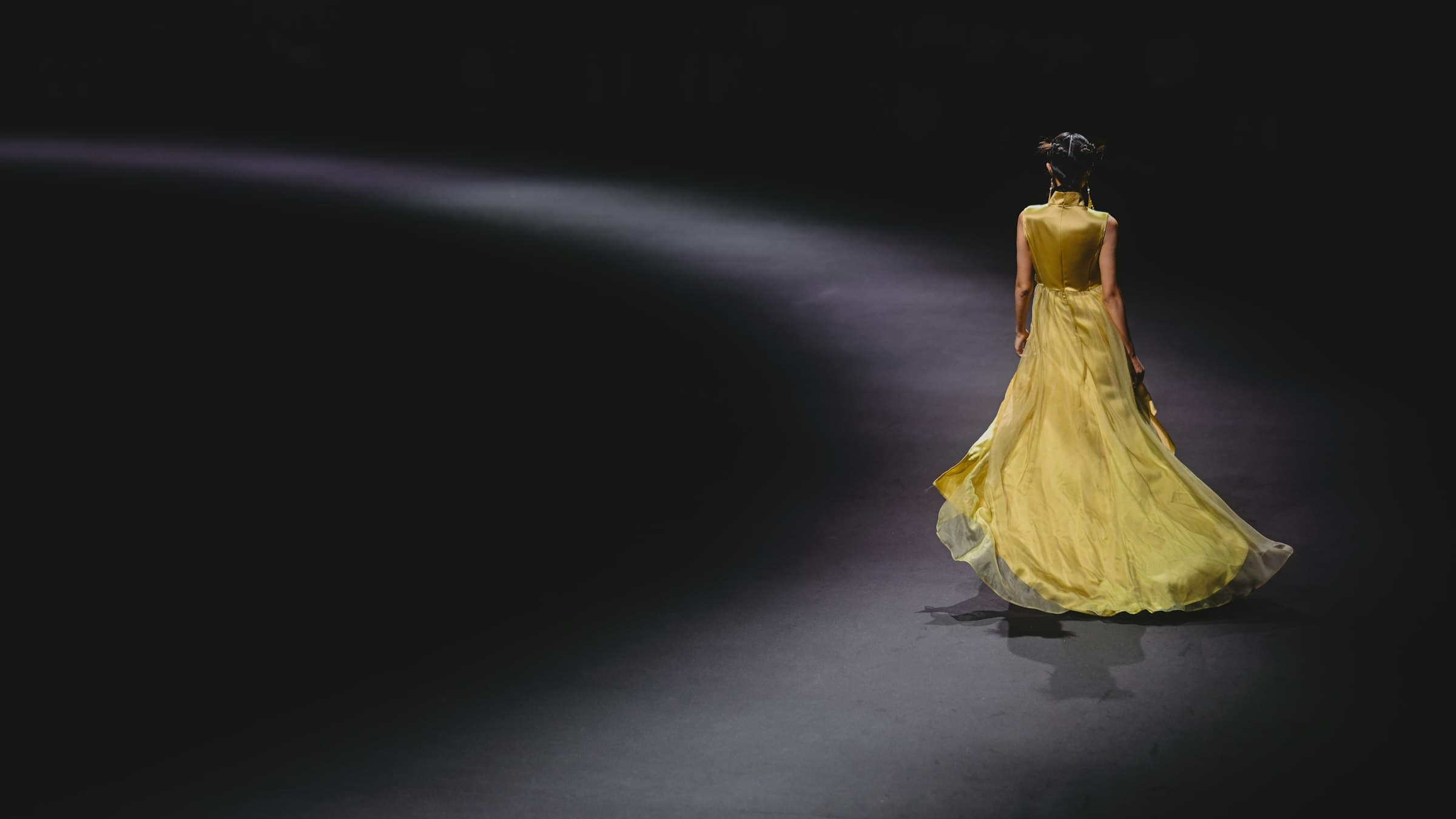
Runway lighting exists to render fabric accurately. Use high colour-rendering fixtures and keep the colour temperature consistent end to end. Front light from both sides at roughly 45 degrees softens shadows on faces and garments; top and back light separate the silhouette and bring out texture. Raise the level slightly at the posing point, where most press photos are taken. If the show is filmed or streamed, specify flicker-free fixtures. Indoors, lighting is usually rigged on truss lines along and above the runway, flown from approved ceiling points or carried on ground-support towers.
Sound, music and show calling
Music sets the pace, and models walk to it. On a long runway, speakers only at the upstage end leave the back rows behind, so add fills along the catwalk or use a distributed system. Whether a DJ mixes live or a pre-produced track plays, keep a backup playback source running. Behind the scenes, an intercom connects the show caller, the backstage line-up manager who releases each model onto the runway, and the lighting and sound operators. Keep at least two wireless microphones ready for a host or a designer's speech.
LED walls, backdrops and the entry point
The wall the models step out of is the visual signature of the show, and an LED wall there can carry the logo, collection name or motion content. Keep it dark and dim during the walk: a bright screen directly behind a model turns them into a silhouette and wipes out garment detail on camera. Choose a fine pixel pitch for close viewing and panels with a camera-friendly refresh rate. Our LED screen rental in Turkey page lists the options.
Backstage power and timeline
Hair dryers, straighteners and steamers draw serious current. If backstage shares circuits with lighting and sound, breakers will trip at the worst possible moment, so plan a separate distribution board for hair and make-up and keep show power on its own clean feed. A typical schedule for a mid-size ballroom show looks like this:
- Site survey and drawings: room size, ceiling height, load-in door, power.
- Build day: truss and lights, then runway decks, flooring, sound and LED.
- Lighting programming in a dark room, with the posing point locked.
- Walk-through with models and music, checking turns and timing.
- Dress rehearsal with garments, light and video cues.
- Show, then strike that night or next morning, depending on the venue.
Outdoor and destination shows
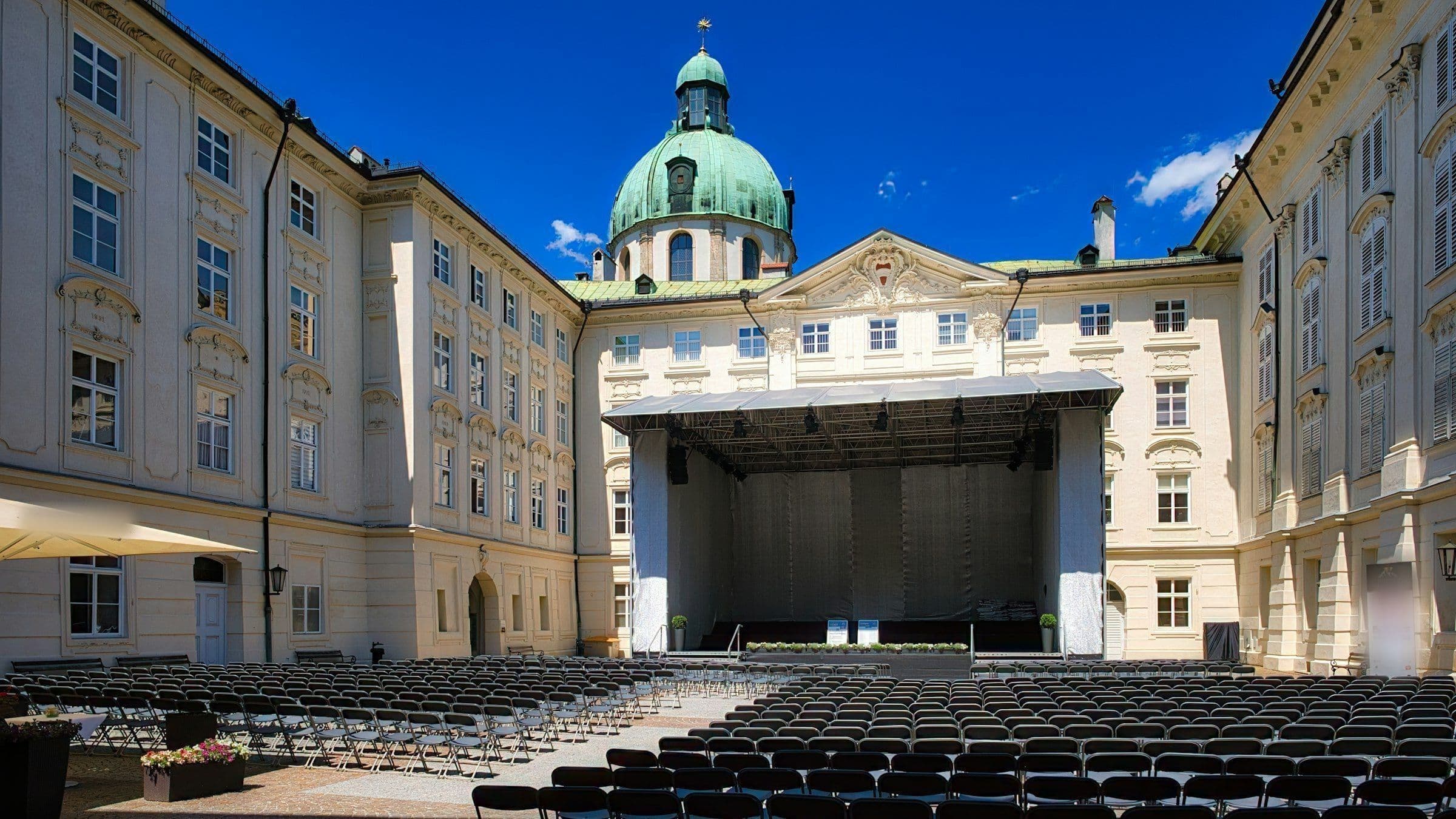
Courtyards, beaches and resort gardens make memorable venues but need more planning: levelling legs for sloping ground, wind limits and ballast for truss and screens taken from the manufacturer's data, a lighting plan built around sunset, and a floor that stays grippy when evening humidity settles. We dispatch stage, sound, lighting and LED from Istanbul to all 81 provinces of Turkey; our nationwide stage rental guide explains how. See our full stage rental Turkey range for runway and riser systems.
Send us the venue, date and guest count through the quote form and we will plan runway, lighting, sound and LED as one technical package.