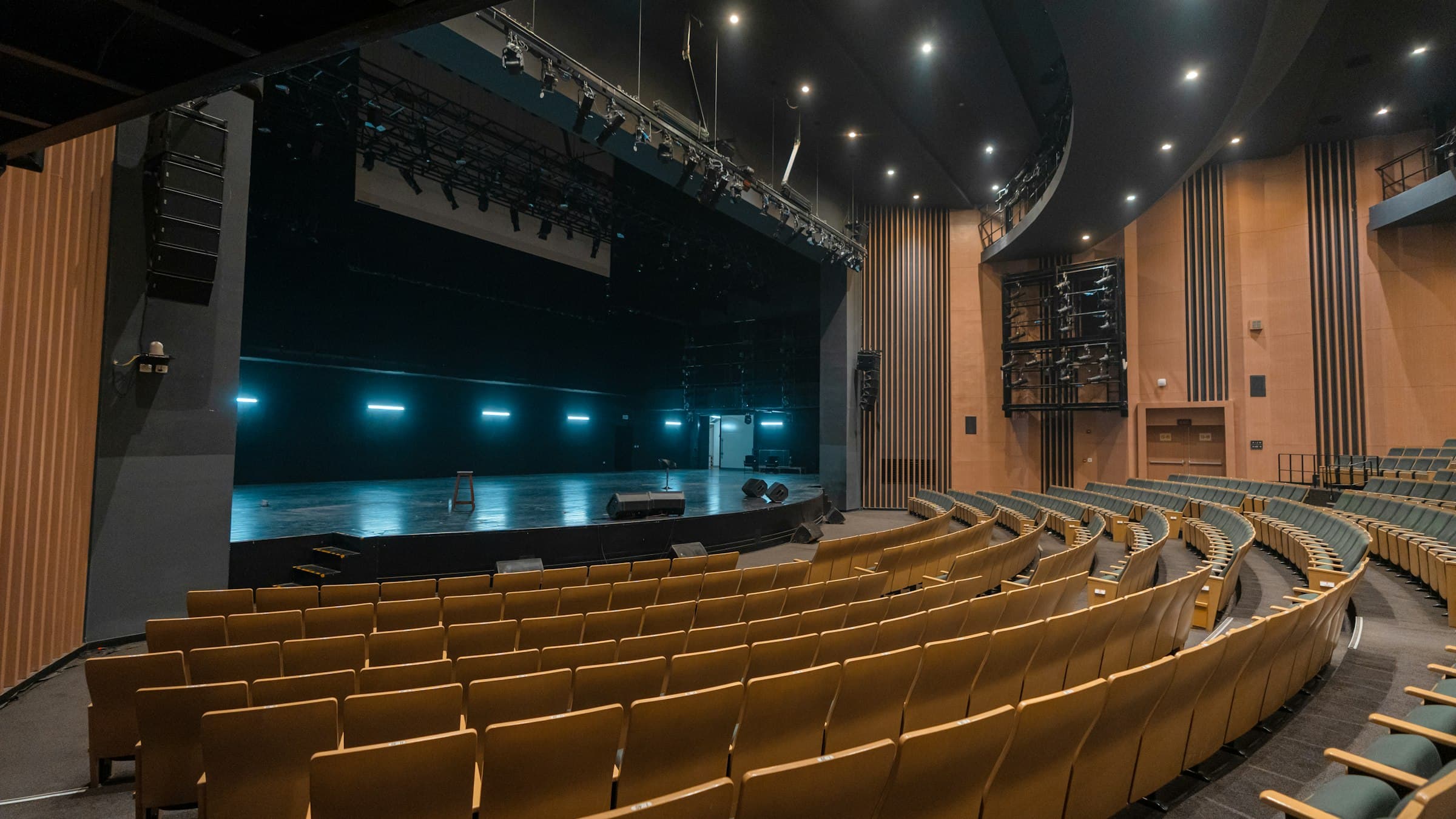
For international schools, parent associations and event teams in Istanbul, Ankara, Izmir or Antalya, school show stage hire in Turkey is a different job from booking a concert stage. The performers are children, sometimes hundreds of them in a single evening, moving on and off stage class by class. Stage height, guardrails, stairs, microphone placement and even the choice of lighting effects all need to be planned around them. In Turkish schools the end-of-year show (yıl sonu gösterisi, traditionally also called a müsamere) is a long-standing tradition; whether yours is a primary school concert, a secondary school musical or a graduation week showcase, the technical principles below apply.
School show stage hire: what kind of stage do you need?
In short: a low, wide stage with protected back and sides, safe stairs, and good sightlines for parents. In practice that means:
- A modular, non-slip deck at an age-appropriate height
- Guardrails on the back and sides, a high-contrast front edge
- Wide stairs with handrails, separate for entry and exit
- Choir and headset microphones that can pick up young voices
- Even sound coverage across the hall or playground
- Simple front light that makes faces visible for photos
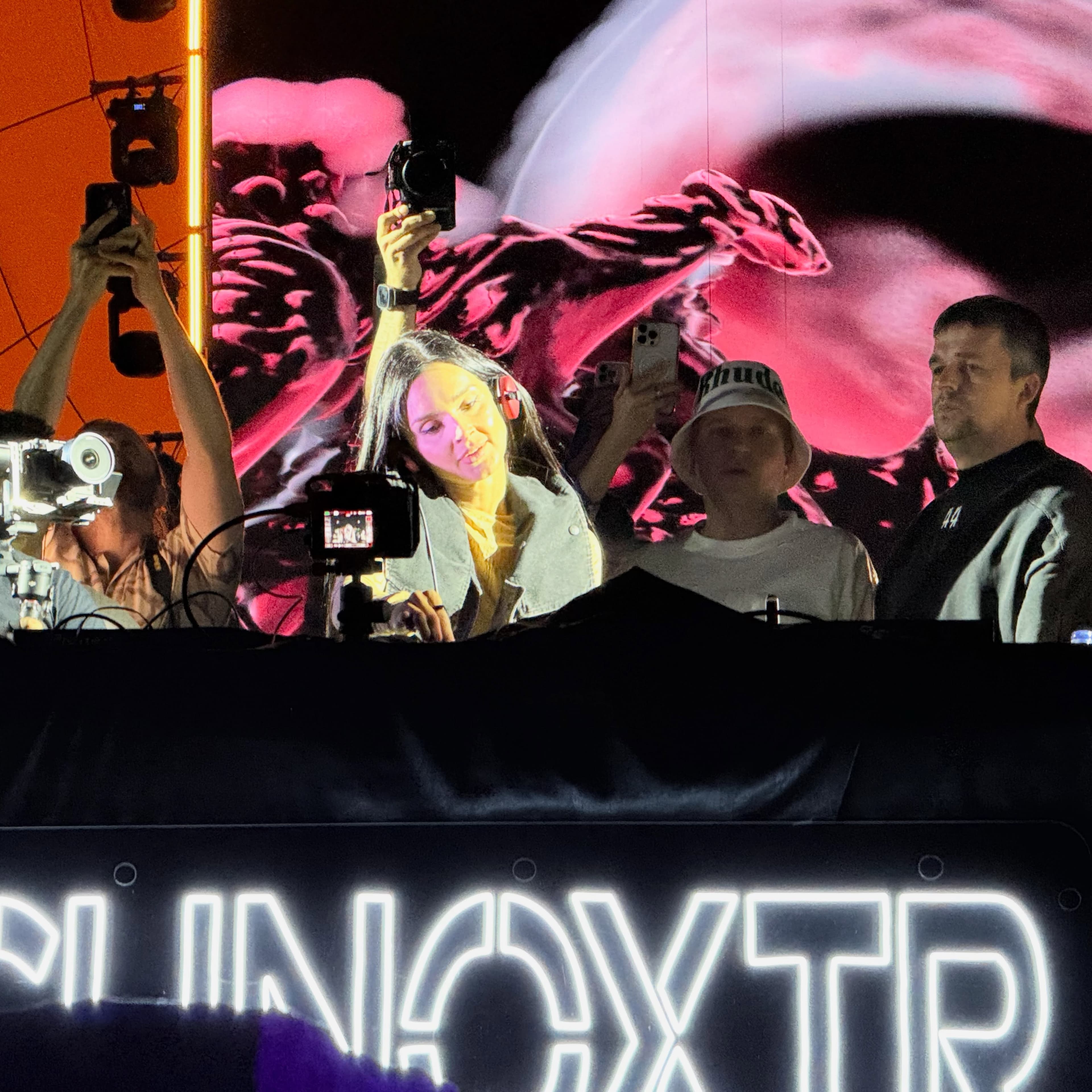
- An LED screen for large outdoor audiences
Stage size and height by age group
Size the stage for the largest group that will be on it at once. A full class of 25 to 30 dancing children is comfortable on roughly 8 x 6 m; choir risers can be added for singing. Our stage size guide covers the logic in more detail.
| Age group | Suggested height (approx.) | Key point |
|---|---|---|
| Kindergarten | 20–40 cm | Low, wide steps; teachers at the edges |
| Primary | 40–60 cm | Back and side rails, contrast tape on the front edge |
| Secondary | 60–100 cm | More space for dance and drama, link to wings |
A higher stage improves sightlines but raises the fall risk. For young children, a low stage with raked or staggered audience seating is safer than a tall deck.
Playground, sports hall or auditorium?
Playgrounds hold the most parents, but June sun in Turkey is a real factor: orient the stage so the low evening sun does not shine into performers' or parents' eyes, and consider a canopy or roof stage for long shows. Check whether the school's power supply can carry sound, lighting and LED; if not, plan a generator. Sports halls are weatherproof but echoey, so speakers should be aimed carefully and levels kept controlled, with floor protection under stage legs. Auditoriums have the best acoustics but often a small stage, which can be extended with a front thrust and supplementary sound and light.
Making children's voices heard
The most common complaint at school shows is that the back rows cannot hear the children. Young voices are quiet and children rarely hold a microphone close. Match microphones to the act: overhead and front choir mics for group singing, headset mics for narrators and hosts, stand mics pre-set to each child's height for poems and speeches, and handheld wireless mics for teachers and the head. Put every music track in one playlist, named in show order, with a backup on a USB stick, and give the stage one or two monitor speakers so dancers can hear the beat. See our guide to wireless microphone rental for more.
Lighting, screens and safety
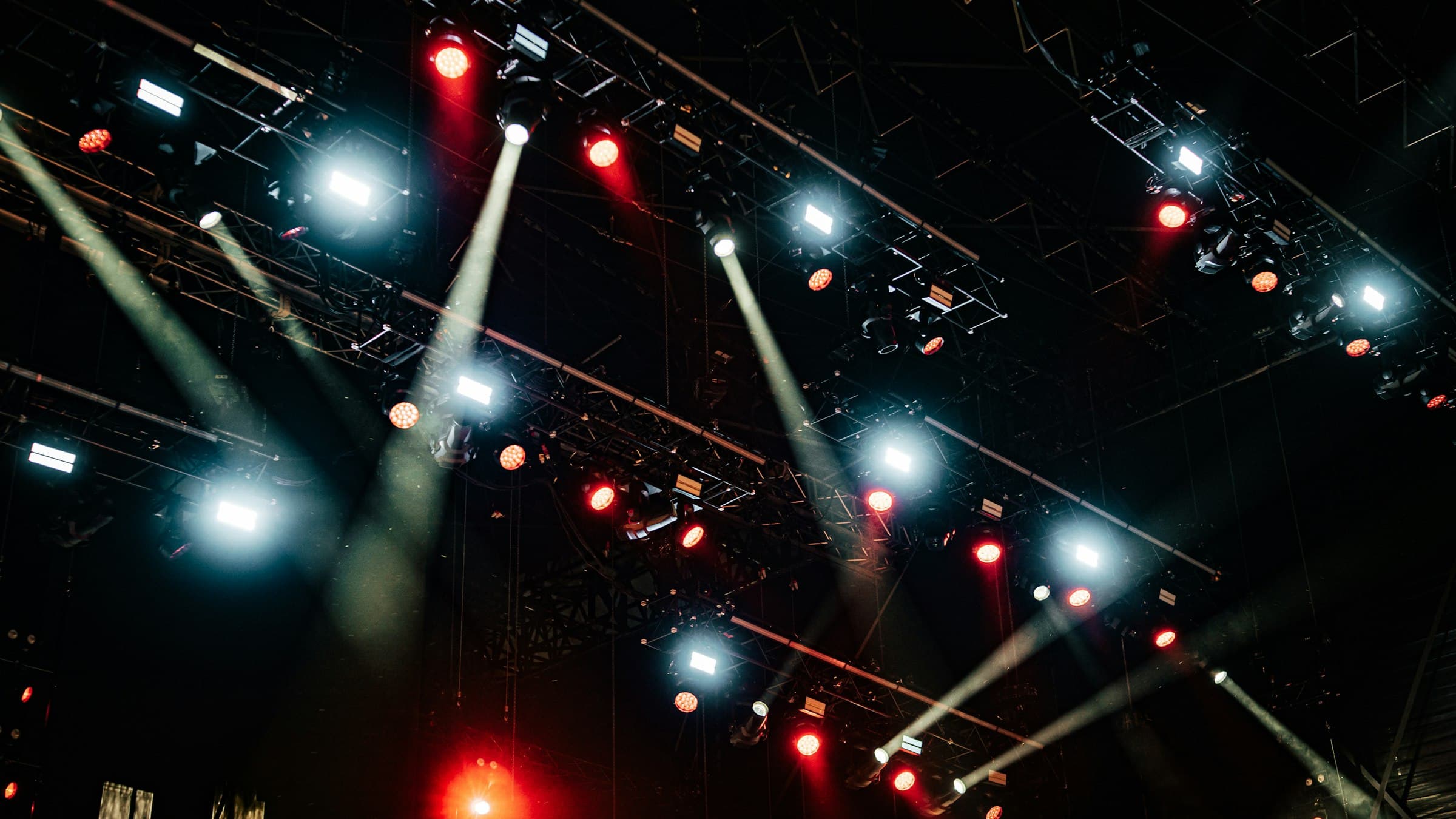
Even front light, a coloured wash and a few simple transitions are enough for most school shows. Avoid strobe effects with young performers and agree any haze use with teachers in advance; indoors, haze and smoke can trigger the building's fire detection system, so clear it with the school management first. Outdoors, an LED screen with a live camera feed lets families at the back see their children; between acts it can show a slideshow of the school year.
Tape down or ramp every cable on audience and backstage routes, position truss towers and speaker stands out of children's reach and secure them, and ballast anything exposed to wind. Agree emergency exits, a first-aid point and a meeting point for lost children before doors open.
Backstage and wings
The area the audience never sees decides how smoothly the evening runs. A drape or backdrop behind the stage creates a hidden waiting zone; light it with low-level blue work lights so nothing spills into the audience. For productions with costume changes, set aside a nearby classroom as a dressing room and keep the route to the stage free of cables. A simple radio or intercom link between backstage teachers and the sound desk confirms when the next group is ready and closes the gaps between acts noticeably. For musicals, agree prop tables and scene-change crews among older students in advance.
Rehearsal and running order
- Compile one running order with timings, music files and mic needs for each act.
- Build the day before or early on show morning.
- Give every class at least one rehearsal with music on stage, with entry and exit routes marked.
- Hold classes in a waiting area with a responsible teacher each.
- Seat a teacher next to the sound desk to follow the running order.
June is peak season, with many schools choosing the same weeks, so confirm your date early. We dispatch from Istanbul to all 81 provinces of Turkey, as explained in our nationwide stage rental guide, and you can browse our stage rental Turkey systems. For graduation ceremonies, read our graduation ceremony staging guide. Share your school, date and expected audience through the quote form and we will propose a stage, sound and lighting plan.