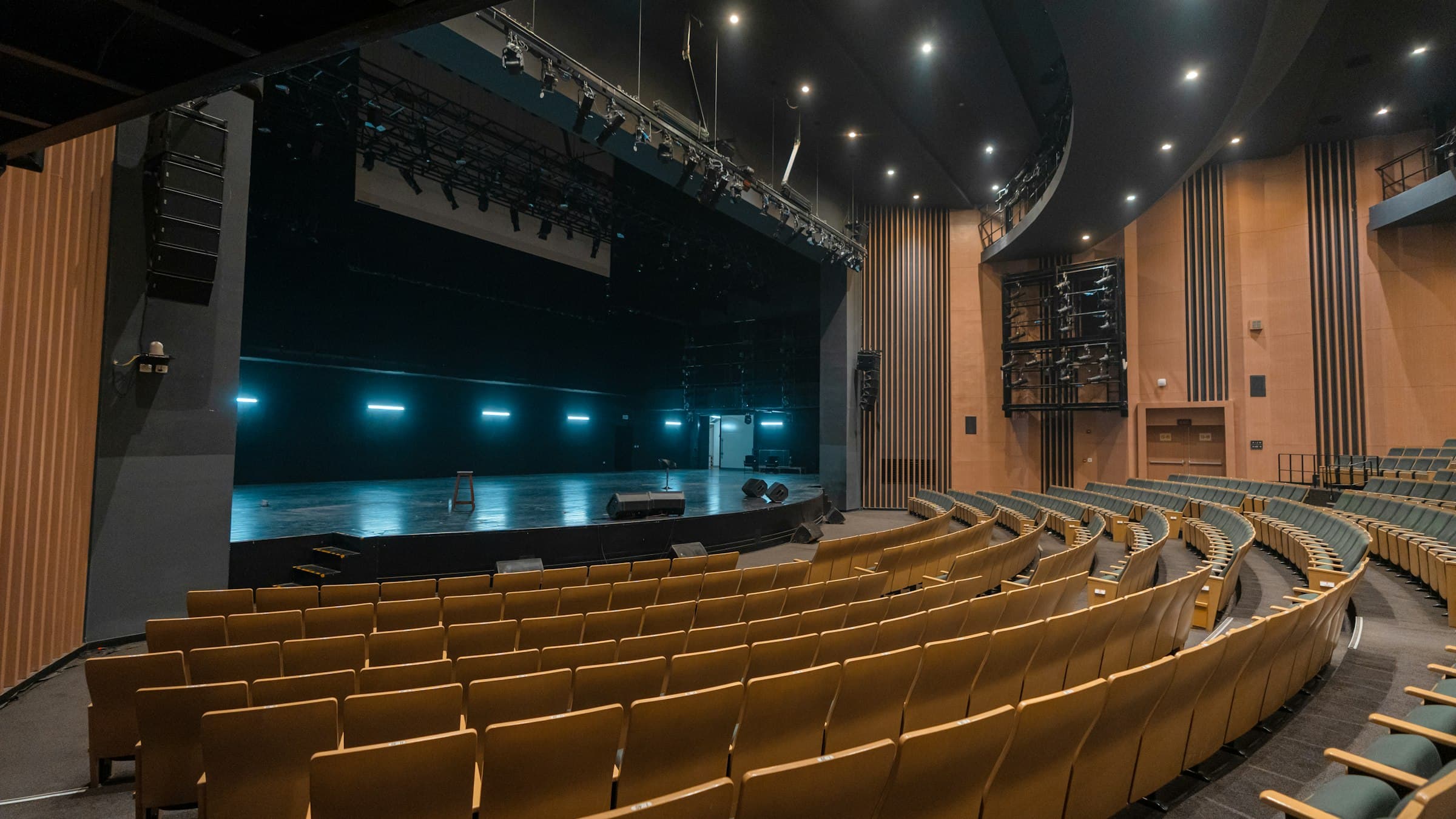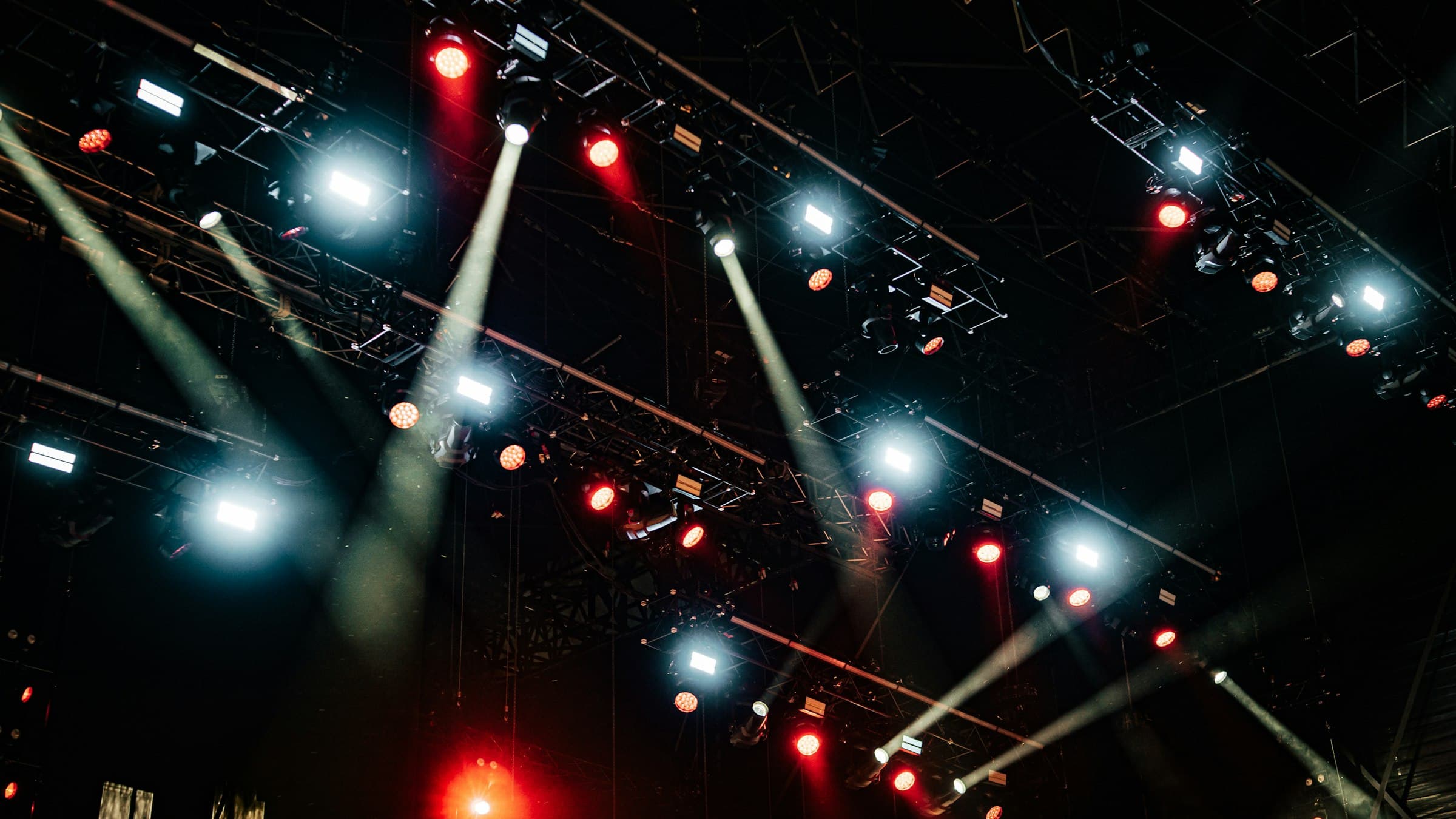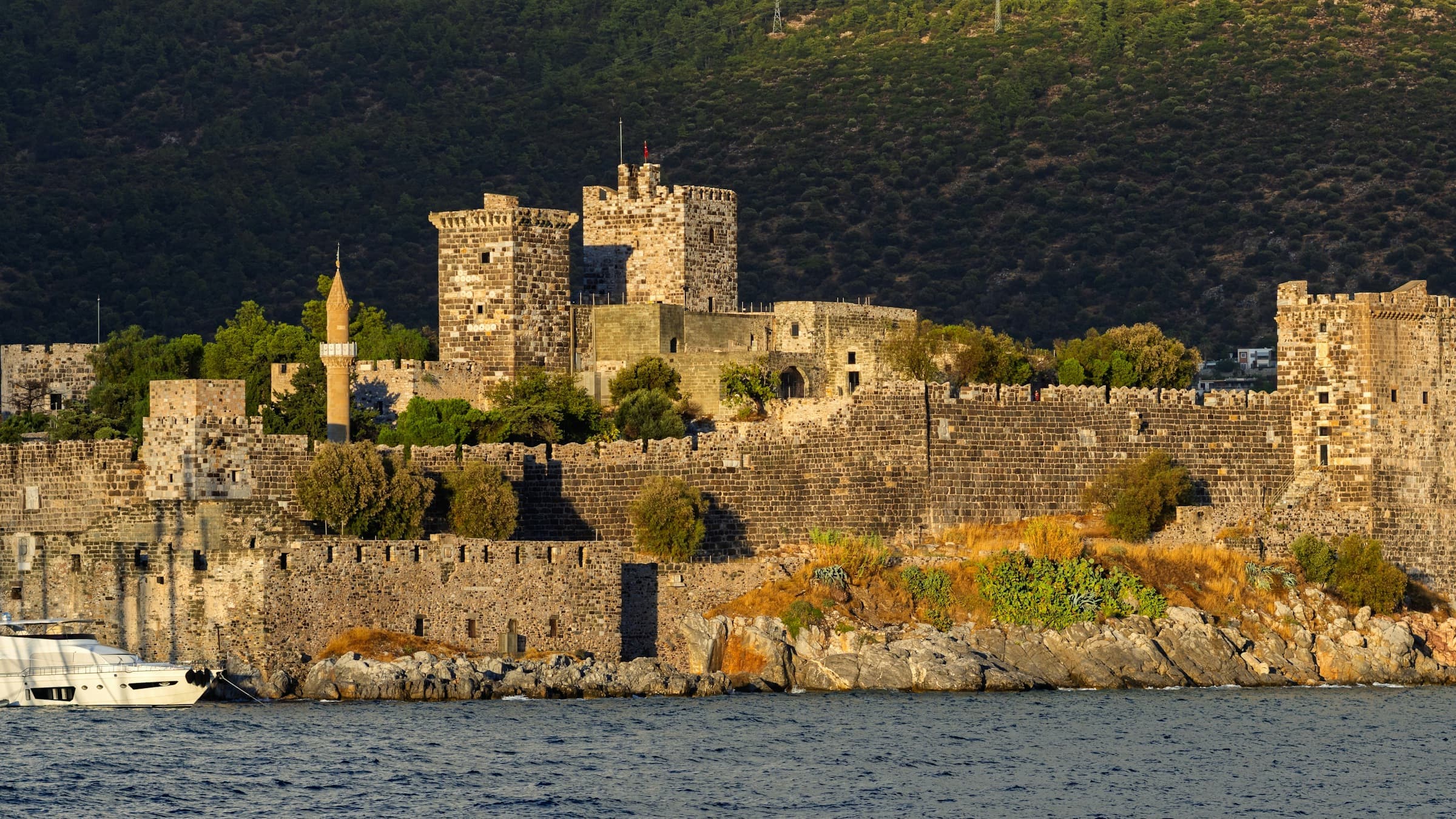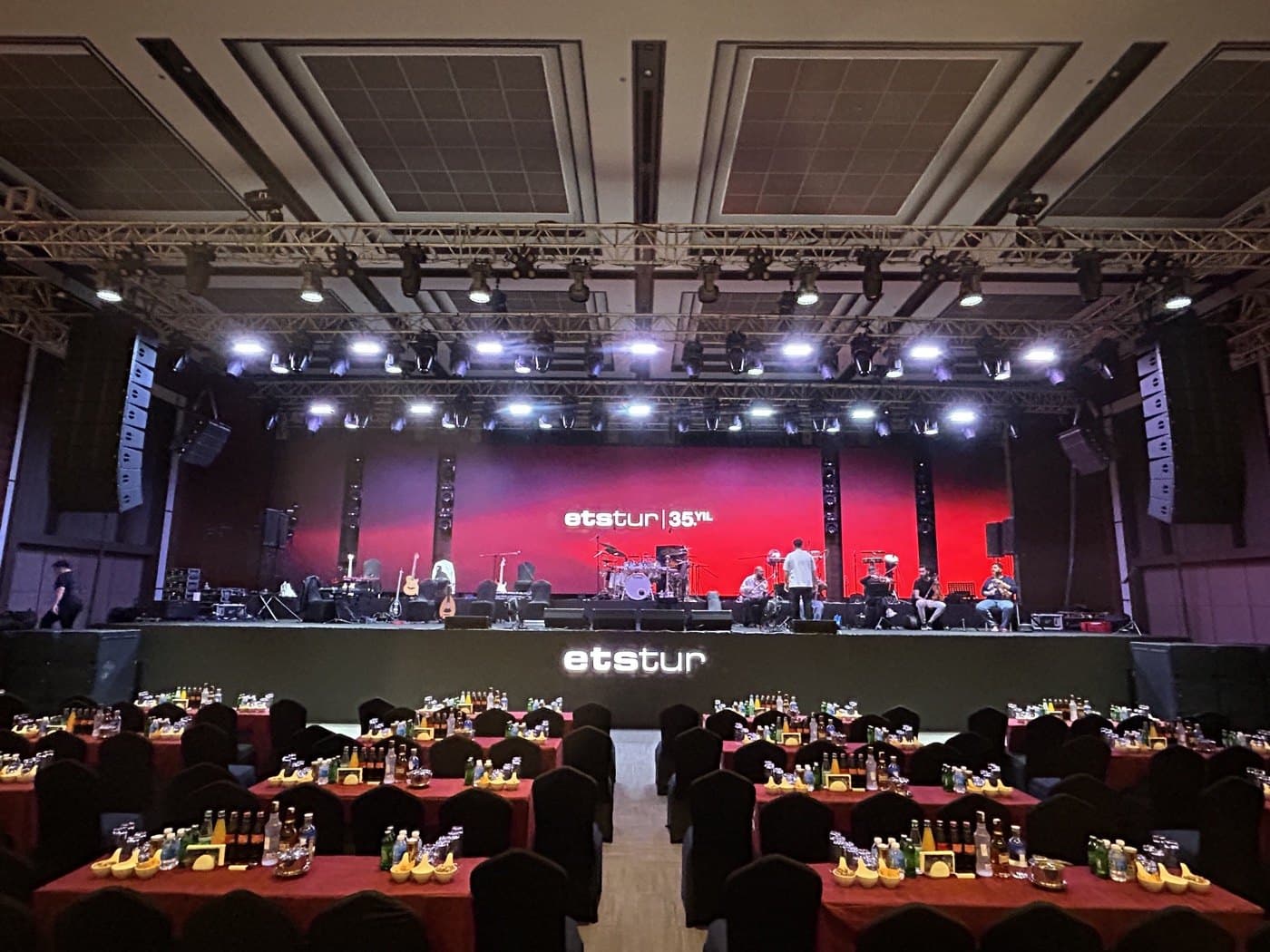
Choosing an event production company in Turkey is one of the biggest decisions an international planner makes. You are trusting a team in another country with your budget, your timeline and your client's reputation, often after a few calls and a site visit. This guide explains who does what in the Turkish event market, the criteria that genuinely separate strong partners from weak ones, the questions to ask and the red flags to watch for, whether your event is a conference in Istanbul, an incentive in Antalya or a festival on the Aegean coast.
Agency, DMC or production company: who does what?
Three types of partner usually appear in a Turkish event project:
- Event agency or organisation company: owns the concept, venue sourcing, catering, décor, guest management and running order.
- DMC (destination management company): handles travel-side logistics such as transfers, hotels, excursions and local permissions for incoming groups.
- Technical production company: designs, builds and operates stage, sound, lighting, LED video and rigging, and runs the show technically.
| Area | Agency | DMC | Production company |
|---|---|---|---|
| Concept and creative | Lead | Support | Technical feasibility |
| Hotels, transfers, excursions | Sometimes | Lead | No |
| Stage, audio, lighting, LED | Sources or coordinates | Sources | Designs, builds, operates |
| Show calling and running order | Writes programme | Rarely | Executes technically |
| Structural and technical safety | Coordinates | Coordinates | Responsible |
On many international projects the DMC or agency subcontracts technical production. That can work well, but you should know who the technical supplier is, and ideally talk to them directly before the contract is signed.
Bringing the technical team in early is the simplest way to avoid expensive surprises. When production joins late, planners often discover that the chosen ballroom's ceiling is too low for the LED wall, the loading door is too narrow for stage modules or the venue's power supply cannot carry the lighting rig without a generator. A partner that handles both organisation and technical production under one roof also merges trucking and build schedules and gives you a single decision-maker on show day.
Eight criteria for choosing an event production company in Turkey
- Relevant experience: look for projects of similar scale and format. A team that excels at boardroom meetings may not be the right fit for a 5,000-capacity outdoor show. Real project photos and videos tell you more than stock imagery.
- Owned equipment and in-house crew: find out how much kit and crew the company controls directly and how much is hired in. Subcontracting is normal, but you need to know who will actually be on site.
- References you can call: a short call with a previous client, ideally another international planner, beats any presentation.
- Drawings and technical plans: a serious supplier can share layouts, stage drawings and equipment lists during or soon after the quote.
- Safety culture: clear answers on wind procedures, rigging, power distribution, emergency plans and effects.
- Itemised quotes: a single "turnkey" figure makes comparison impossible. Ask for line items.
- Communication: one named project manager, fluent English, fast replies and someone with decision-making authority on site.
- Local knowledge: venue rules, loading restrictions, municipal permissions, seasonal weather and how long it really takes to move equipment between Istanbul, Antalya, Izmir or Bodrum.
Comparing quotes like for like
Quotes that look far apart usually describe different scopes. Before comparing numbers, check whether each covers build and strike, trucking and crew accommodation, rehearsal time, show-call crew and their roles, roof, generators, backup equipment and barriers, and the venue's own technical charges. Our article on stage rental prices in Turkey explains what drives the cost of the technical side. The lowest quote is often the most incomplete one, and missing items come back as extras close to the show.
International-specific points
- If artists or speakers bring their own equipment, ask how temporary import is handled; an ATA carnet is a common route for professional equipment and needs planning in advance, so confirm the details with a customs broker.
- Agree the contract currency, payment schedule, cancellation and date-change terms in writing.
- Clarify which local permits the supplier will handle and which sit with the venue or the agency.
- Confirm insurance cover for equipment and public liability.
Questions to ask in the first call
- Can you walk me through recent projects of a similar size and your role on site?
- Who will be my project manager, and will they be at the event?
- Which equipment is yours and which is hired in?
- Do you know the venue, and will you do a site visit?
- How do you plan load-in and load-out around the venue's rules?
- What is your plan for weather, power failure or equipment faults?
- Who reviews the artist's technical rider?
Rider handling is a frequent weak point on international shows; our guide to what a technical rider is shows what a good supplier should check.
Red flags
- A firm price before anyone has asked about the venue, date and audience size.
- Only stock images, no real project material.
- Vague answers to safety questions.
- Reluctance to sign a proper contract.
- Saying yes to everything; experienced crews will tell you when something is not safe and propose an alternative.
- Drawings and running order still undefined days before the event.
A good brief gets you the right partner
Send every shortlisted company the same brief: objectives and audience, date (and alternatives), city and venue or venue type, expected attendance, programme outline, artist or speaker details, budget range and your decision timeline. Identical briefs produce comparable quotes. If your event is on the Turkish Riviera, our guide to event production in Antalya and Belek covers seasons, resort venues and logistics.
What the process looks like with a good partner
With the right production company, an international project in Turkey usually follows a clear path:
- Brief and first call: objectives, dates, venue options and budget range are clarified.
- Concept and outline quote: a creative and technical approach with an itemised first estimate.
- Site visit: loading access, power, ceiling height, rigging points and venue rules are checked in person or by a detailed video walk-through if you cannot travel.
- Drawings and final quote: stage, audio, lighting and video layouts are drawn, scope is fixed and the contract is signed.
- Production meetings: running order, artist needs, effects and the safety plan are reviewed together, usually by video call with your team abroad.
- Build and rehearsal: systems are installed, tuned and the full programme is rehearsed.
- Show and strike: one person calls the show on site, and the strike follows the venue's rules.
If a supplier suggests skipping the site visit or the rehearsal to save time, treat that as a conversation to have before you sign.
Working with BernStage
BernStage is an Istanbul-based technical production company delivering stage, sound, lighting, LED video and rigging to all 81 provinces of Turkey, dispatched from our Istanbul base. We work with our partner Ourspace on the event organisation side, so concept, venue and technical production run on one plan and one timeline. See our event production Turkey services and browse real work on our projects page. Send your brief through our quote form and we will reply with a clearly itemised proposal.