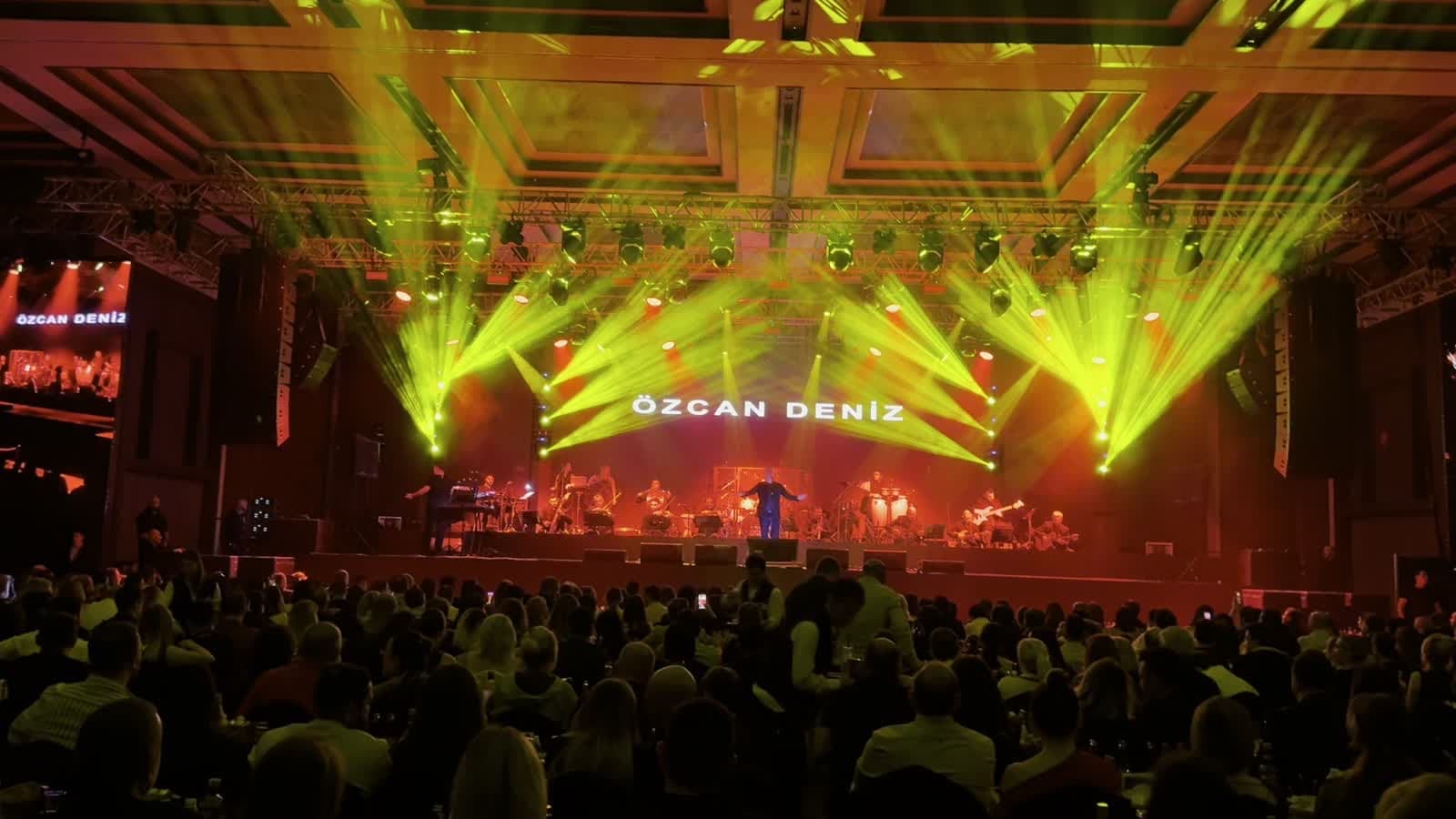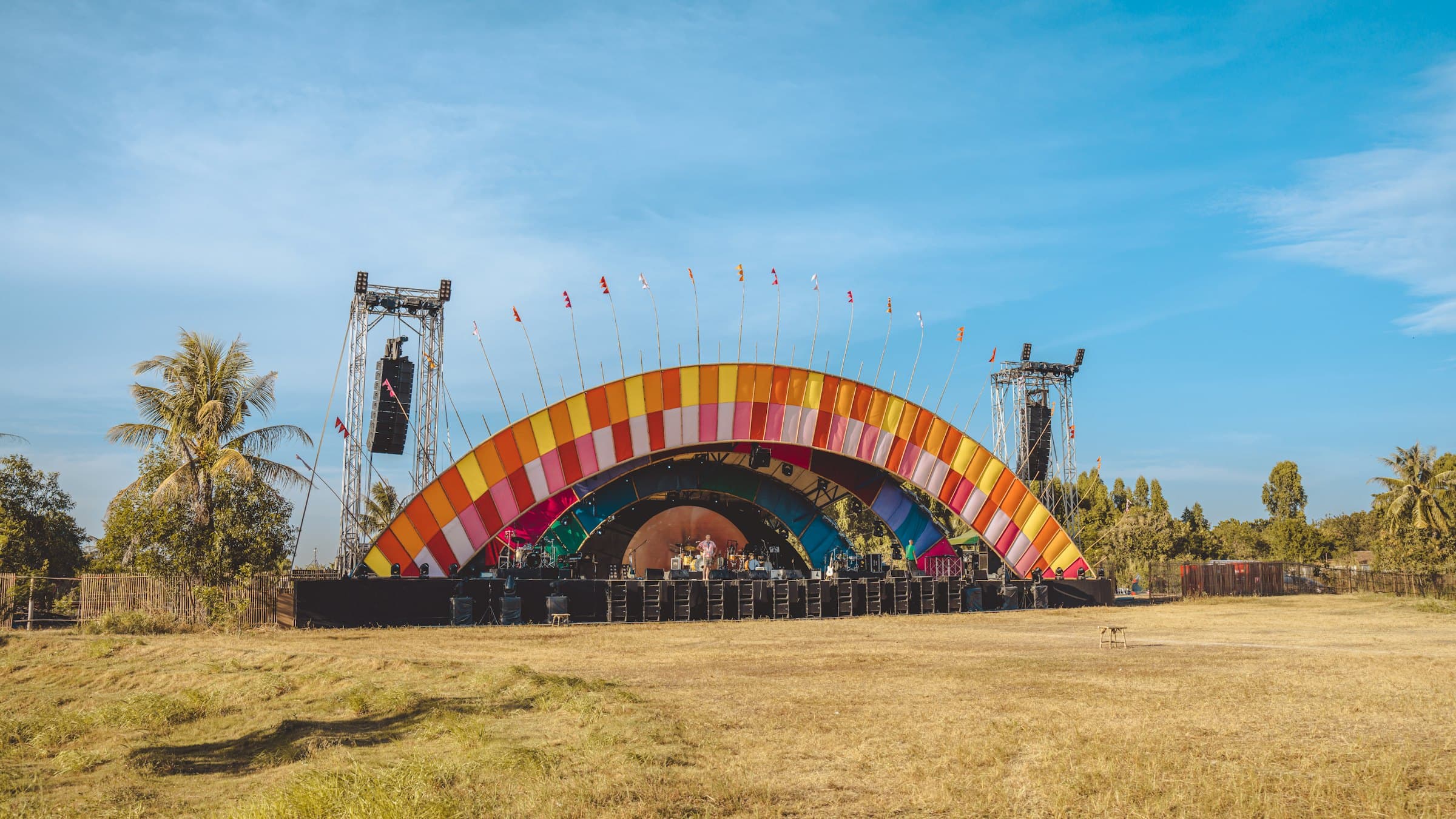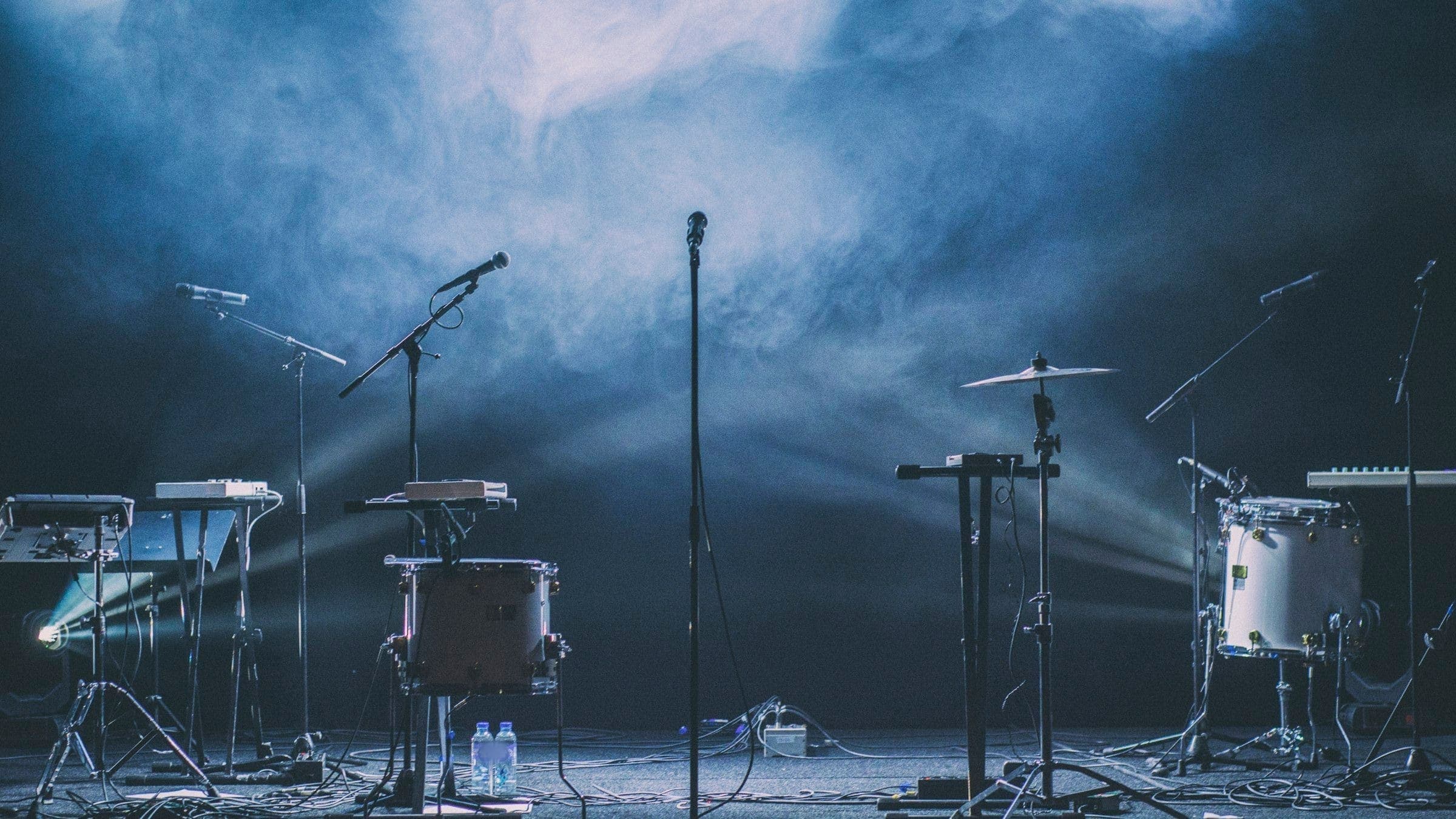
A technical rider is the document in which an artist or band defines the sound, lighting, stage and equipment conditions they need to perform. For a promoter it is the technical annex to the contract: it tells you what has to be provided, by whom and which points are non-negotiable. If you are bringing an artist to Turkey or booking a show at a resort on the Antalya coast, reading the rider correctly is the fastest way to avoid surprises on show day. This guide walks through the sections of a rider, explains input lists and stage plots, and separates backline from hospitality.
Technical rider versus hospitality rider
Artist teams usually send two documents, and they are often confused:
- Technical rider: PA system, consoles, monitors, microphones, lighting, stage size, power, backline and technical crew. This is the working document for your production company.
- Hospitality rider: dressing rooms, catering, drinks, accommodation, ground transport, towels and water. This is normally handled by the promoter or the venue.
Separating the two from the start avoids budget confusion. Send the technical rider to your production supplier and the hospitality rider to your event and venue team.
Some artists send both in one file. In that case, split it into sections and assign an owner to each, so nobody is asking "who was supposed to provide this?" in the final week.
The main sections of a technical rider
Formats vary, but most riders contain the same building blocks:
- Contacts: production manager, FOH engineer, monitor engineer and lighting designer.
- PA system: preferred loudspeaker brands, coverage expectations and target sound pressure levels.
- FOH and monitor consoles: accepted desks such as the Yamaha CL5, DiGiCo or Allen & Heath models.
- Input list: channel-by-channel sources and microphones.
- Monitoring: number of wedges, in-ear systems and mixes.
- Stage plot: the layout drawing.
- Backline: drums, amplifiers, keyboards and stands.
- Lighting: lighting plot, preferred console such as grandMA2 or Avolites, and special effects.
- Power, stage size and schedule: electrical supply, minimum stage dimensions and soundcheck time.
How to read an input list
The input list shows how every sound source on stage connects to the mixing console. A typical list looks like this:
| Channel | Source | Mic / DI | Stand | Notes |
|---|---|---|---|---|
| 1 | Kick In | Dynamic kick mic | None | Inside drum |
| 2 | Snare Top | Shure SM57 or equivalent | Short boom | |
| 9 | Bass guitar | DI box | None | Active DI |
| 15 | Keys L/R | Stereo DI | None | |
| 20 | Lead vocal | Wireless handheld | Straight stand | Spare mic required |
Check three things: whether the total channel count fits the console, whether the listed microphones or accepted equivalents are available locally, and how many wireless channels are required. Wireless microphones and in-ear systems need frequency coordination, especially in resort areas and festival sites where several events run at once.
Do not skip the monitor and lighting sections
The monitor section states how many mixes are needed, whether wedges are stereo or mono and whether in-ear systems travel with the band. As mix count grows, a separate monitor console and engineer may be required. In the lighting section, check whether the artist travels with a lighting operator and a pre-programmed show file, and which consoles they accept; widely used desks such as the grandMA2 make this easier. Requests for haze, smoke or special effects should be checked against venue rules.
Schedule and crew details
The final pages of a rider usually list the artist team's arrival time, set-up and soundcheck duration, stage time and show length. Your production company builds its own load-in plan and crew schedule from these details. It also matters whether the artist travels with their own sound and lighting engineers; if not, local crew will cover those roles and that must be planned accordingly.
Stage plot: the map of the stage
The stage plot shows where musicians, instruments, monitors, risers and power drops sit. For an organiser it answers practical questions: Is the stage big enough? Are drum and keyboard risers needed? How many wedges go downstage? Where should power be?
Comparing the stage plot with the actual stage dimensions avoids build-day surprises. At festivals with several acts on one stage, changeover times are also planned around these drawings. If you are sizing a stage, our article on stage rental prices explains how dimensions affect cost.
Backline: who brings what?
Backline covers on-stage instruments and equipment: drum kits, guitar and bass amplifiers, keyboards, stands and DJ gear. The rider should state clearly whether the artist travels with it or expects it to be supplied locally. International acts flying into Istanbul or Antalya often request local backline, in which case brand and model preferences, and acceptable alternatives, must be confirmed in advance.
What organisers should check
Reading the rider is not enough; you need to confirm it can be delivered:
- Share the rider with your production company before contracts are signed and flag anything that cannot be met.
- Where the rider says "or equivalent", get the proposed alternatives approved in writing.
- Agree soundcheck times, changeovers and venue noise limits in a single schedule.
- Compare power requirements with venue supply or generator capacity.
- Look for essentials the rider forgets, such as spare microphones, intercom or work lights.
For open-air shows, weather, generators and ground conditions need planning too. Our outdoor event technical checklist covers those points.
Let us review your rider
BernStage reviews artist riders across sound, lighting, stage and LED and returns a clear feasibility summary before the show is confirmed. Learn more on our concert production Turkey page, then send us the rider and event details. Get a quote.