A marathon sound system has one job: make sure every runner in the start pen and every spectator at the finish line hears the countdown, the safety announcements and the commentary clearly. For international race organisers, sports federations and agencies staging events in Turkey, sound is only part of the picture. A race also needs a start-finish stage, an award podium, often a warm-up stage and an LED screen, all ready before dawn on a road that was closed only hours earlier. Here is how we plan it.
Why a marathon sound system is different
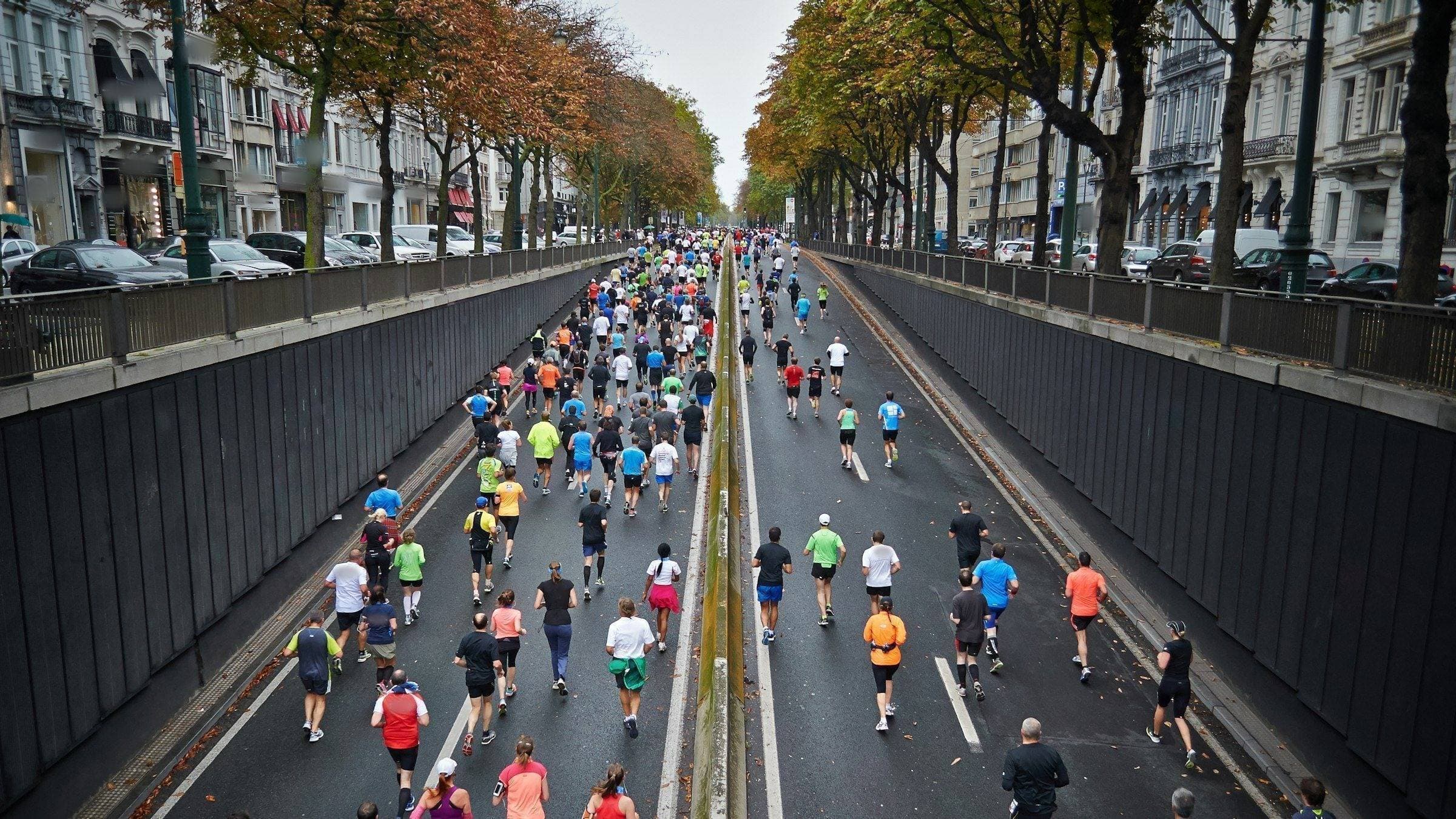
At a concert, the audience faces one stage. At a race, the crowd is spread over hundreds of metres: runners queuing in the start corridor, families at the finish, the awards area and the sponsor village. A race PA is therefore a set of time-aligned speaker positions rather than one big stack.
- Start corridor: delay speakers along the pen so the last runner hears the same countdown as the first.
- Finish area: the main system, carrying commentary and music.
- Awards area: a more controlled zone where speeches must be intelligible.
- On-course points: small standalone systems at turnarounds and cheering zones where needed.
The goal is intelligibility, not volume. Speaker and console options are on our sound system rental in Turkey page.
Commentator position and radio coordination
The commentator usually works from a raised, railed platform with a view of the finish line. Plan at least two wireless microphones (one spare), a separate radio for race control and a monitor. Large races share the airwaves with broadcast crews, marshals' radios and timing systems, so wireless frequency planning matters; see our wireless microphone guide. Timing and live streaming are normally separate specialist teams, so agree cable routes, power points and a clean audio feed for broadcast early, and fix speaker positions only after the finish arch, timing mats and camera platforms are placed.
Which stages does a race need?
- Main or ceremony stage: for opening speeches, prize-giving and any concert, typically 6x4 m to 10x8 m with a roof outdoors.
- Warm-up stage: a compact 1–1.5 m high deck so the whole start pen can follow the instructor.
- Commentator platform: small, raised, with handrails.
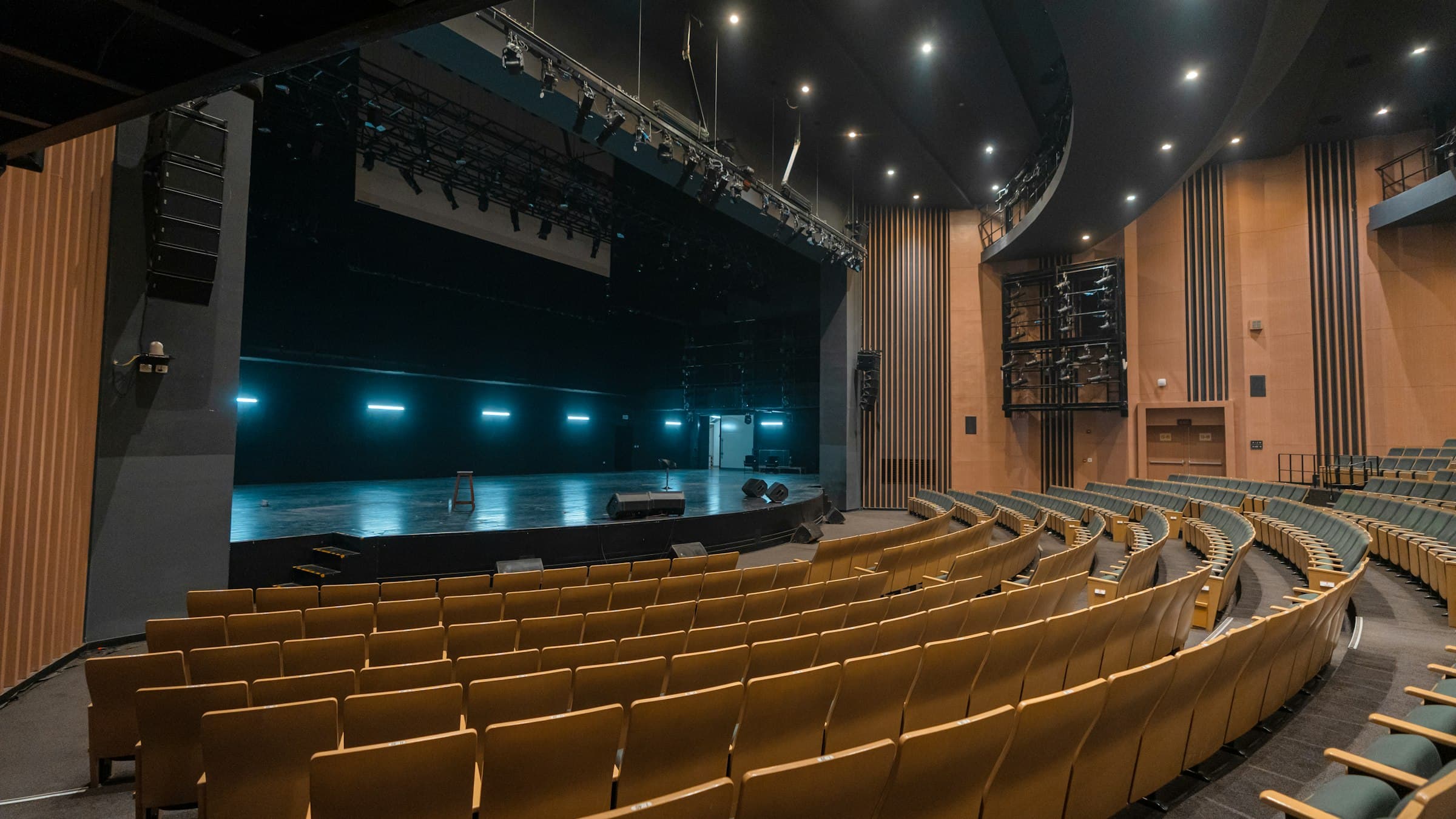
If the stage also serves an expo or bib collection days, add overnight security and weather protection. Our stage rental in Turkey page lists deck and roof options.
Award podium hire
The podium is the most photographed spot of the day. A good setup has a tallest centre step for first place, solid non-slip steps for second and third, a holding area behind it for fast category changes, an accessible ramp or low ceremony platform, a sponsor wall or LED screen behind and a clear photographers' pit in front. The presenter needs a microphone and the ceremony music its own playback source. Whether the podium sits on the ceremony stage or on the ground depends on space and camera angles.
LED screens, power and weather
A finish-line LED screen shows the race clock, the live stream, sponsor content and winners. Because races run in morning daylight, specify a high-brightness outdoor panel, mounted on a ballasted ground support or a mobile LED trailer, and follow the manufacturer's wind limits either way, with a structural check where needed. Start-finish areas are rarely near mains power, so calculate sound, LED, timing and broadcast loads together, use silent-type generators placed away from the PA, and give each on-course sound point its own small supply. Races go ahead in rain, so plan covers for consoles and electronics, waterproof connectors, and share the manufacturer's wind limits for stage, roof and LED with the crew in advance.
Tournaments, cycling and other sports formats
Other sports events change the kit list but not the logic:
- Indoor tournaments: sports halls are reverberant, so a distributed system aimed at the stands is far more intelligible than a few powerful speakers. A low courtside stage for the opening show and ceremony, with lighting and LED flown from the hall's approved rigging points within their rated loads, is a common setup.
- Cycling and triathlon: start and finish may be in different places, and the transition zone needs its own announcement system. On stage races, moving the kit to a new town every day is the core of the logistics.
- Trail and mountain races: mains power is often absent, so a compact, fast-deploying PA and a small generator are worth more than a large stage.
Safety rules are the same in every format: railed stages and podiums, cable ramps across runner and spectator routes, and ambulance and emergency lanes kept clear of technical equipment. Agree in advance who makes emergency announcements, and from which microphone.
Race-week schedule
| When | Task | Note |
|---|---|---|
| 1–2 days before | Site survey, main stage and LED build where permitted | Confirm layout with timing and broadcast |
| Night before | Start corridor and on-course sound points | Crew plan follows road closure times |
| Race morning | Soundcheck, commentator mic test, warm-up stage | Finished before runners arrive |
| During the race | Crew on standby | Spare mic and backup power ready |
| Awards | Podium, music, LED content | Category order shared with presenter |
| After | Fast strike of on-course points | Meet road reopening times |
Races across Turkey
City marathons, coastal runs, trail races, cycling tours and indoor tournaments often fall in the same weeks in different cities. BernStage ships stage, sound, lighting and LED from Istanbul to all 81 provinces of Turkey; see our nationwide stage rental guide and our wider event production in Turkey service. For outdoor risk planning, our outdoor event checklist is a useful companion.
Share your course map, start-finish layout, field size and date through our quote form, and we will prepare one itemised plan for sound, staging and the award podium.