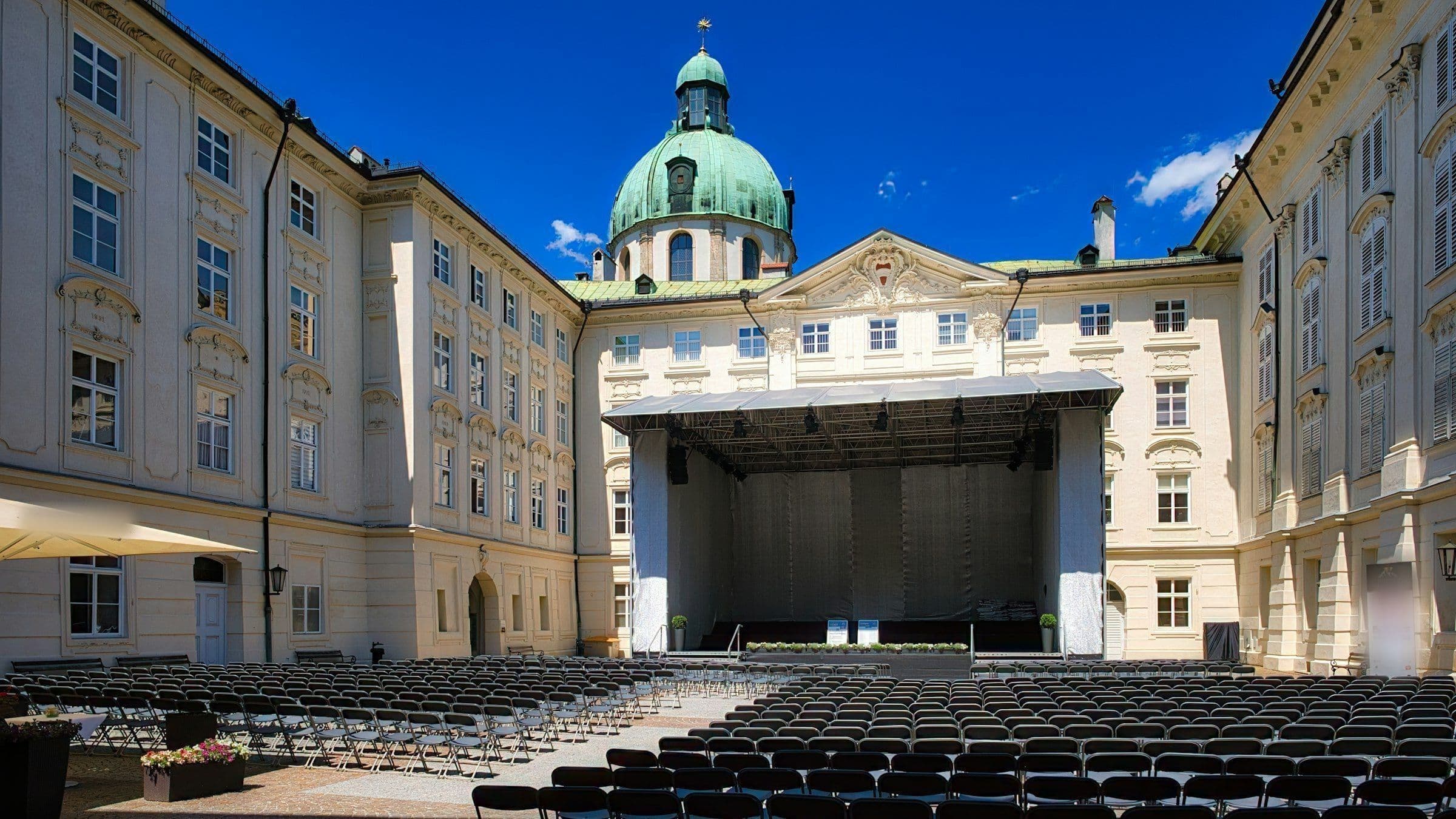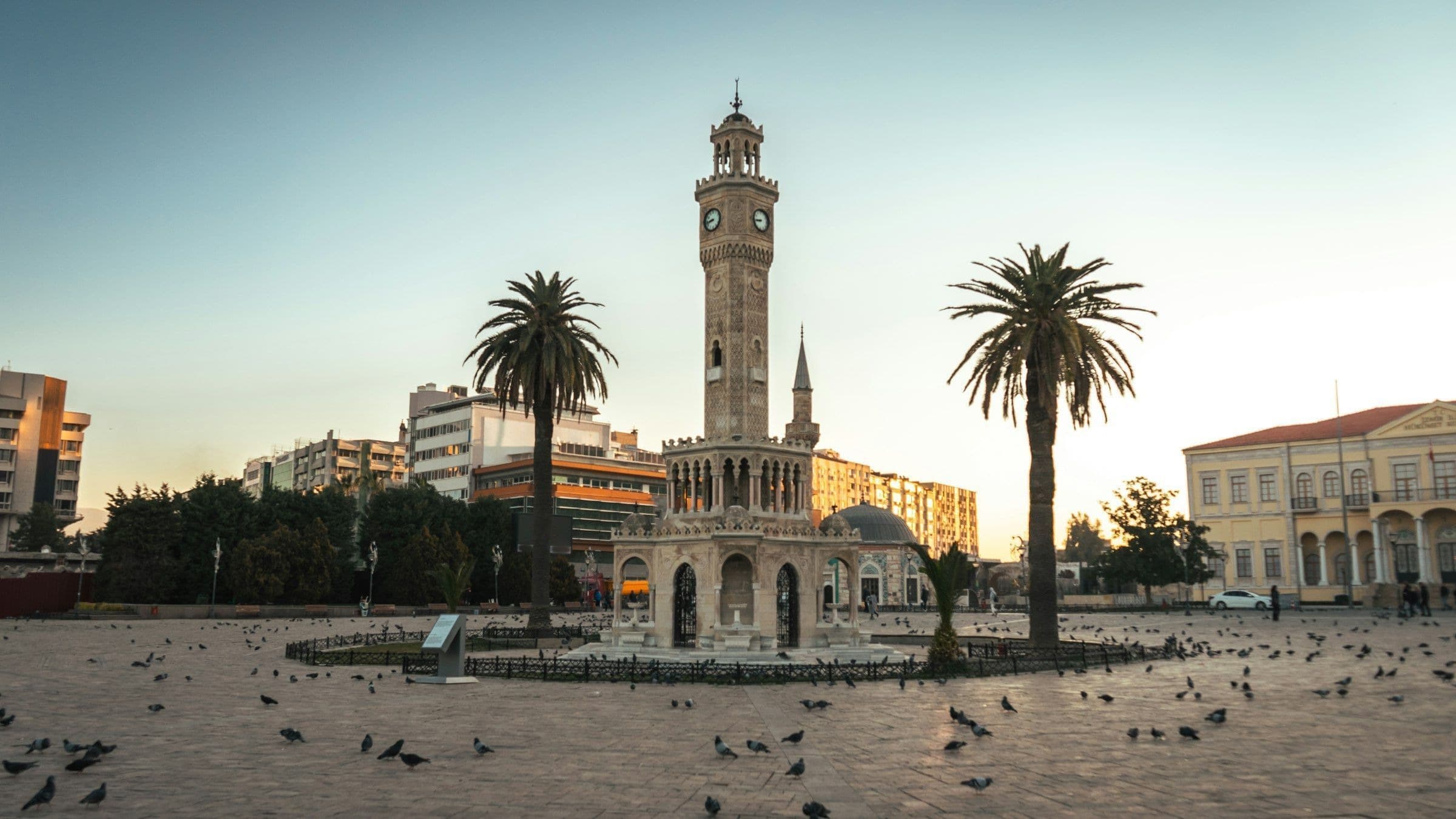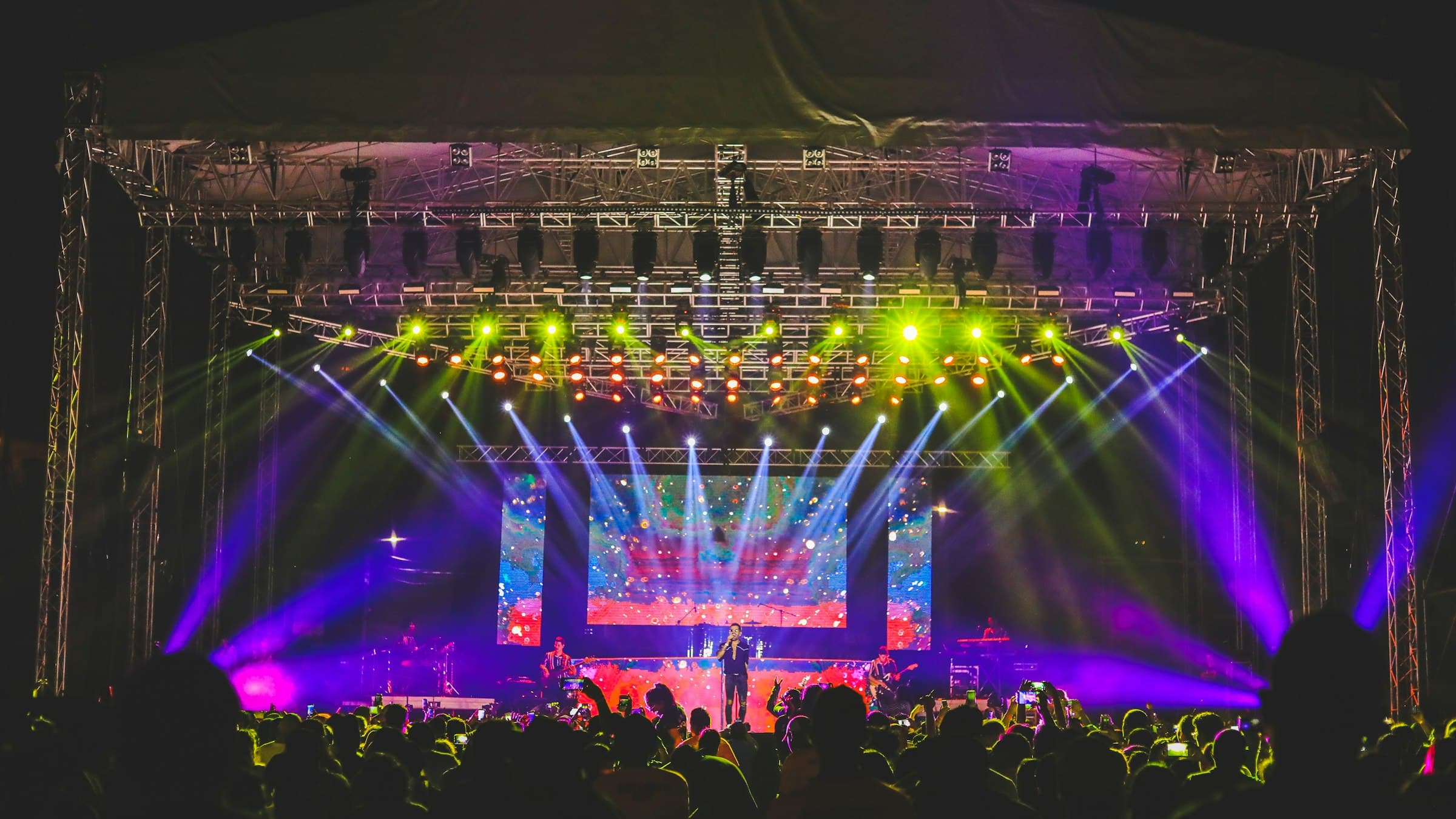
Free city-centre concerts, city festival nights and opening ceremonies are some of the most visible events in Turkey. Whether the client is a municipality, a brand activation team, a cultural institute or a festival promoter, public square concert production means building a full concert system in the middle of a living city, surrounded by traffic, shops and homes, often for thousands of people. This guide covers what makes squares different and how to plan the stage, sound, video, power, safety and protocol programme around them.
What makes public square concert production different
Three things separate a square concert from a ticketed outdoor show: attendance is not capped by ticket sales, the site is part of the city rather than a purpose-built venue, and several public bodies are involved. Planning therefore runs in this order:
- Site survey: surface, dimensions, access and surroundings, walked with the technical team.
- Capacity and site plan: stage position, audience zones, emergency routes, VIP area and technical compounds.
- Technical specification: stage, sound, lighting, video, power and crew requirements in writing.
- Artist and rider: the rider checked against the specification.
- Coordination: road closures, security, medical, fire and cleaning plans agreed with the relevant authorities.
- Build, ceremony, show and strike: a schedule that returns the square to the city as quickly as possible.
For the general concert process, see our guide on how to organise a concert in Turkey. Here we focus on what is specific to squares.
Surveying the square
Every square is different, and a desk layout almost always changes on site. Check:
- Surface and what lies beneath: cobbles, asphalt or stone paving; drains, grilles and slope. Some squares sit above car parks, metro stations or utility galleries, so load paths for the stage and roof must be cleared with the owner of that structure.
- Surrounding buildings: facades reflect sound. Stage and speaker orientation decide how much echo you get and how much sound reaches nearby homes.
- Traffic and transit: tram lines, bus stops and main roads, and when closures are possible.
- Fixed obstacles: monuments, trees, light poles and fountains affect both layout and sightlines.
- Truck access: a route and loading area for trucks and forklifts behind the stage.
Because attendance is not ticketed, a safe capacity must be calculated from the usable area and drive the security plan. Show the front-of-stage barrier, crowd-splitting barriers, emergency routes open in at least two directions and the ambulance lane clearly. Extra screens and speakers in side streets help prevent crushes at the square's entrances.
Stage, ballast and build schedule
Square concerts usually use a roof stage able to carry PA, lighting and LED. On paved squares, ground anchors are rarely allowed, so the roof is secured against wind with ballast such as water tanks or concrete blocks. The amount is never guessed: it comes from a structural calculation based on the manufacturer's data and the flown load. Our truss and rigging safety guide explains load planning, and our stage rental Turkey page shows roof options.
| When | Work | Note |
|---|---|---|
| Two days before, overnight | Site closed, stage and roof build begins | Lowest-traffic hours |
| Day before | Roof, sound, lighting, LED and power | Barriers and technical compounds placed |
| Show day | Tuning, sound check, protocol rehearsal, ceremony and concert | Open the square after sound check |
| Show night | Egress and strike | Square handed back by morning |
Sound, LED screens and lighting for big crowds
The sound goal is even coverage of the audience with as little energy as possible on facades and homes. A line array main system does the heavy lifting, with delay towers in the middle and along the sides of deep squares. Delays let the main system run at a sensible level, reduce slap-back from buildings and keep the back of the crowd intelligible. FOH sits centrally inside a barriered area.
LED screens are what make the stage visible to thousands. Beyond the upstage wall, side screens and additional screens at the back of the square or in side streets carry live camera feeds during the show and messages, programme information and emergency directions before it. See our LED screen rental Turkey options.
Street lighting is part of the lighting design. Dimming it around the stage boosts the show, but the audience area must always keep a safe light level and be fully lit quickly at egress.
Power, safety and coordination
Mains power in squares rarely supports a concert system, so separate generators, or at least separate distribution, feed audio, lighting and video, with redundancy on the main systems. Place generators away from homes and the audience, exhausts pointing away from people. Put in writing:
- front-of-stage barrier and pit, crowd-splitting barriers and emergency routes,
- medical point, ambulance lane and lost-child point,
- emergency announcements over the PA and evacuation messages on the LED screens,
- wind and rain thresholds based on the roof and LED manufacturers' data, and who has the authority to stop the show,
- a shared communication channel with police, municipal officers, fire and medical teams.
Residents and shop owners around the square are part of the plan too. Announcing build and strike hours, road closures and the sound check time in advance cuts complaints noticeably. Keep the sound check in daylight, run overnight forklift and truck traffic on the side away from homes, and put load-spreading protective plates under stage and roof legs to help hand cobbles and stone paving back unmarked. Cleaning and a surface inspection at handover are part of the technical scope, not an afterthought.
Opening ceremonies: from protocol to concert
Many square concerts in Turkey open with an opening ceremony or official speeches. Technically this is a small event of its own: a lectern and mic, seating for dignitaries, sound for a moment of silence and the national anthem, and a separate spot for a ribbon-cutting with wireless mics and camera access. Place the lectern downstage so the band's setup stays intact, run ceremony graphics on the screens while the concert is prepared behind, and leave a buffer because speeches often run long. Confetti or cold sparks at the ribbon-cutting must respect the manufacturer's safety distances from dignitaries and press and be run by an experienced operator.
When a public body tenders the work, a clear technical specification makes offers comparable. Define stage and roof dimensions and load ratings, audio coverage and consoles, LED sizes and pixel pitch, the lighting plan, generator capacity and redundancy, and build and strike dates. Performance criteria rather than brand names, plus the artist rider as an annex, keep competition fair and the artist's needs met.
Get a quote for your square concert
BernStage is an Istanbul-based crew delivering stage, sound, lighting, LED and power for square concerts, city festivals and opening ceremonies across Turkey. Explore our concert production Turkey service and our projects, then send the date, square, expected crowd, artist details and any specification through our quote form.