The stage lighting hire cost in Turkey depends on far more than a fixture count. Where the lights hang, what holds them up, which console runs them, how long the show takes to programme and who operates it on the night all sit inside the number. Two quotes listing the same moving heads can be far apart because of truss, power, haze, pre-programming and crew. If you are planning a gala, launch or concert in Istanbul, Antalya or elsewhere in Turkey, this guide explains each cost driver, suggests typical packages by event type and shows how to compare quotes.
What drives stage lighting hire cost in Turkey?
Seven items decide the price of a lighting package. Fixtures and the structure that carries them form the body of the budget; programming and crew are the items most often missed, and they decide how good the result looks.
- Fixtures: key light (profiles or washes), wash and spot moving heads, beams, LED battens, uplighters, blinders and strobes.
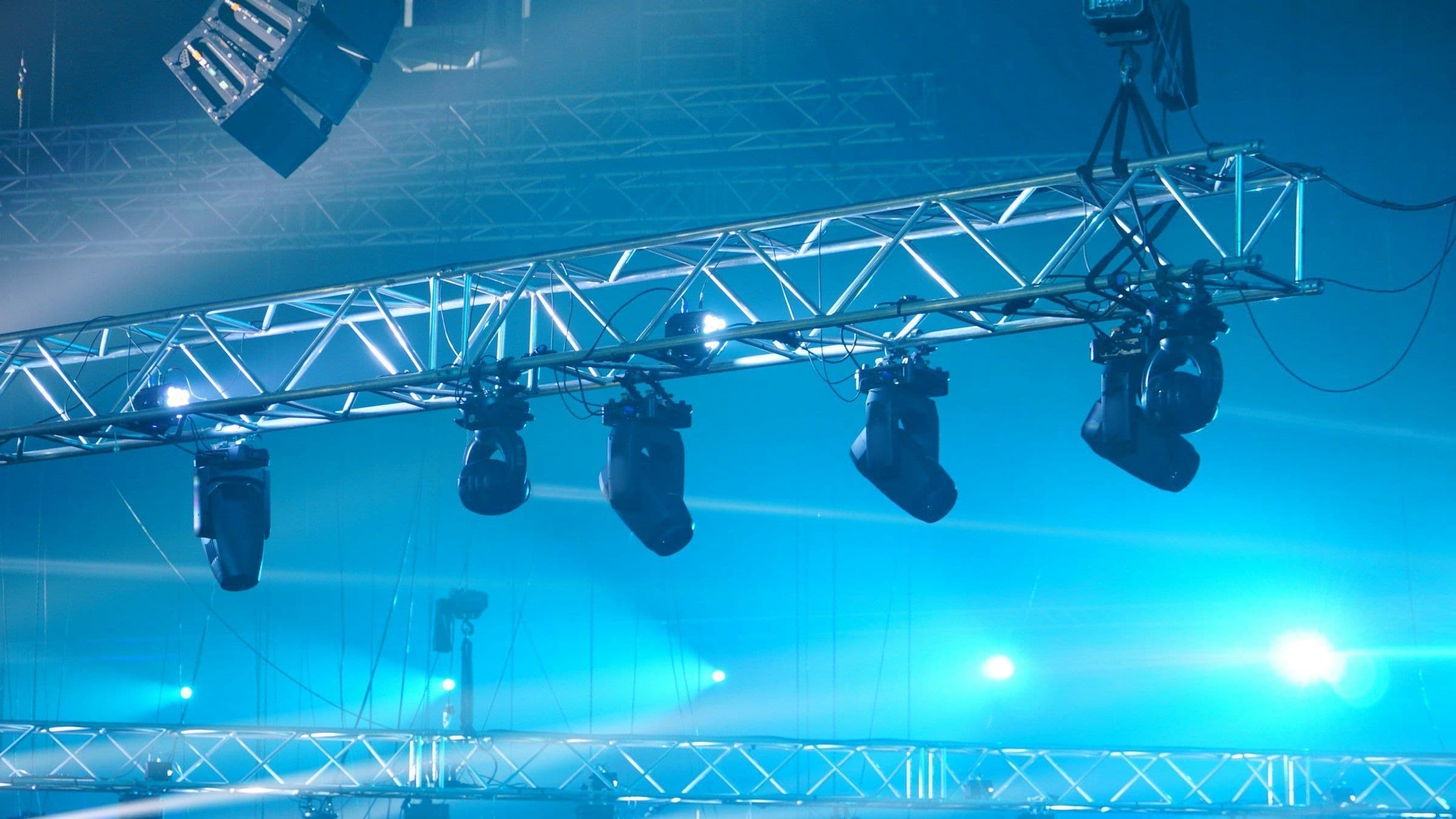
- Truss and rigging: truss runs, ground-supported towers, chain hoists and riggers.
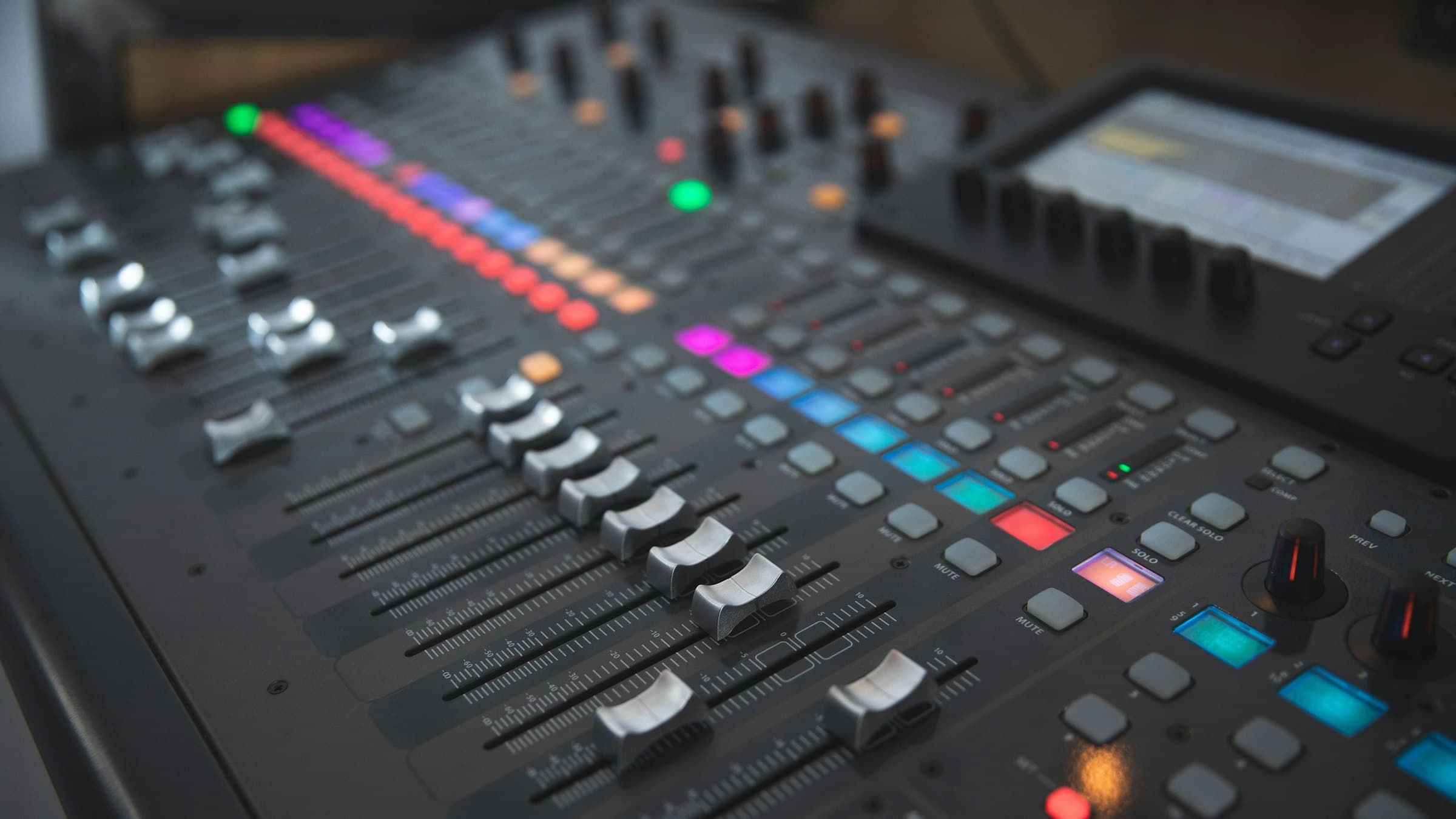
- Console and control: a professional desk such as a GrandMA, data distribution and a backup desk.
- Programming time: pre-programming, visualisation and timecode where needed.
- Operator and designer: a show operator and, on larger projects, a dedicated lighting designer.
- Power, cabling and haze: distribution, generators, cabling and haze machines.
- Schedule and logistics: build, focus, rehearsal, show and strike days, plus transport.
Fixtures: matching the rig to the event
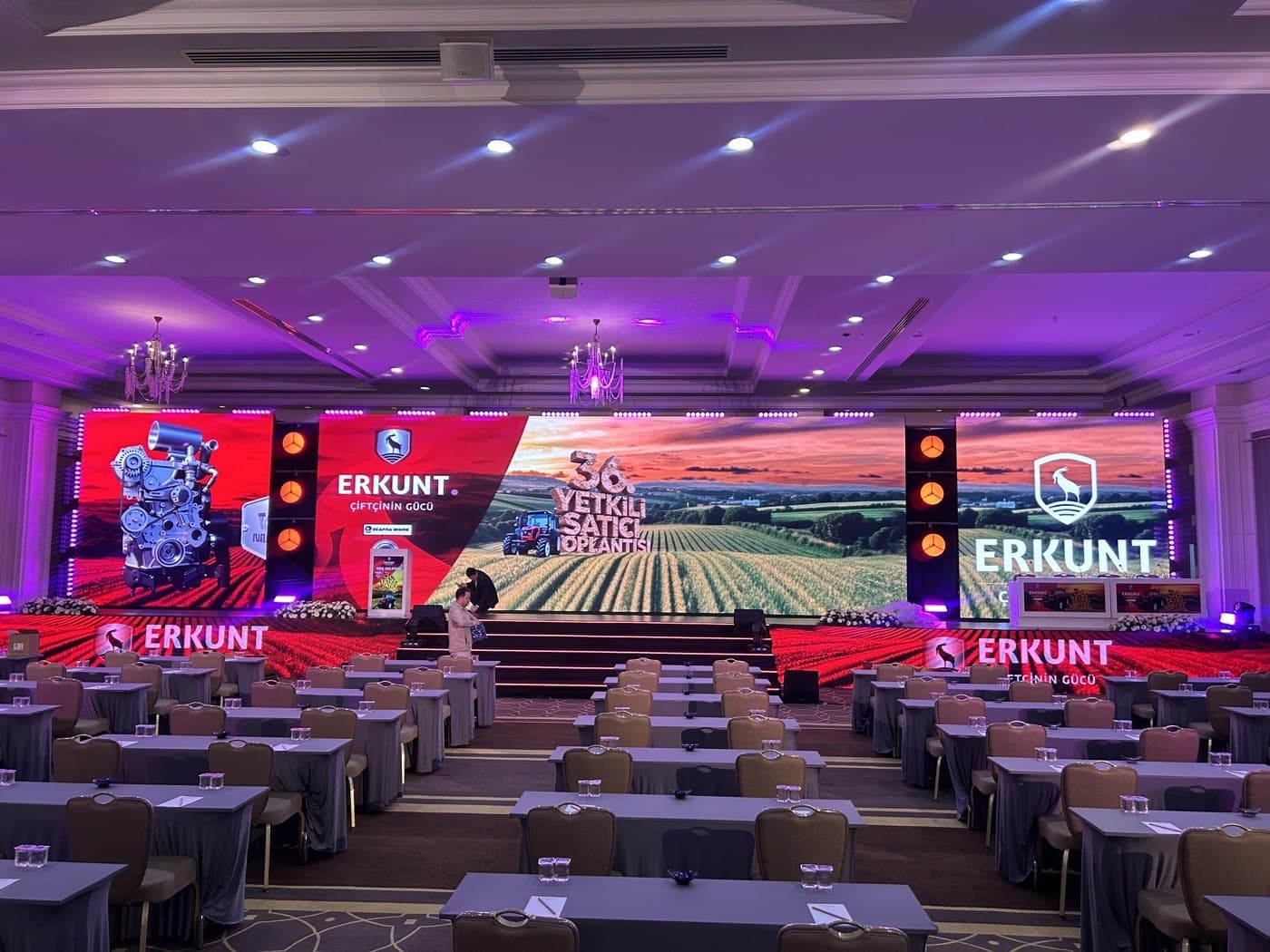
The size of a rig follows the width and depth of the stage and the size of the room. An 8 m corporate stage and a 16 m concert stage need very different fixture counts to reach the same look. Each fixture type does a different job and carries a different weight in the budget:
- Key light lights presenters, performers and the camera image. For corporate events it is the most important line, small in quantity but non-negotiable.
- Wash moving heads and LED battens paint the stage with colour and build atmosphere; they are the workhorses of mid-size events.
- Spot and beam moving heads create gobos, textures and visible beams in haze. They carry the energy of concerts and party sets, and the budget grows quickly with their number.
- Uplighters colour walls, columns and décor, transforming a ballroom for a modest outlay.
- Blinders and strobes add punch at concerts but are rarely needed at a conference.
Our article on event lighting design basics explains what each type does. From a cost perspective, the point is simple: money spent on beam effects at a conference does far less than the same money spent on good key light and a camera-friendly stage.
Filming, streaming and IMAG
If the event is recorded, streamed or shown on IMAG screens, the lighting plan changes. Cameras do not forgive contrast the way eyes do: faces need even, sufficient light and the background must not be brighter than the presenter. That means more key light, fixtures with matching colour temperature and time to balance levels with the camera team. It is a small share of the budget that decides whether the stream looks professional.
Truss, rigging and layout
Lights need something to hang from, and that structure is the most underestimated part of a lighting budget. In ballrooms, rigs hang from ground-supported truss towers or from motorised truss lines on approved ceiling points. Outdoors, fixtures hang from the roof stage, and the roof's load rating limits how much lighting, audio and video it can carry together.
Truss length, hoist count and rigging crew all show up in the price. A compact design with well-placed fixtures is usually more efficient than long truss runs with many motors. Uplighters stand on the floor and need no rigging, which makes them a budget-friendly way to change the feel of a whole room. Ballroom ceiling ratings and hotel rigging rules vary, so ask for the venue's technical pack early. For flown structures, see our guide to truss and rigging safety.
Console, programming and the operator
The biggest difference between two rigs built from identical kit is usually programming. A moving-head rig that has not been programmed properly looks like a disco. Professional quotes therefore list programming as its own item:
- Live operation: the operator follows the run of show in real time, typical for corporate events, galas and weddings.
- Pre-programming: a concert or launch show is built cue by cue in advance. More programming time costs more, but the result is consistent.
- Timecode: lighting, audio and video lock to the same clock for product reveals, opening ceremonies and big concerts. It extends programming and rehearsal time noticeably.
Touring artists often bring their own lighting designer and show file. In that case the local supplier provides the rig to the artist's plot, and you should confirm fixture equivalents and console format in writing well before the show.
Power, haze and the small lines that matter
- Power: a large rig draws serious current. If the venue supply is not enough, extra distribution or a generator is needed.
- Haze: makes beams visible in the air. Indoors, venues may restrict haze because of fire detection systems, so agree it with the hotel's technical team in advance.
- Cabling and data: long runs, network distribution and backup lines.
- Focus time: aiming key light at presenter positions takes time and belongs in the build schedule.
Typical lighting packages by event type
| Scenario | Typical scope | Control and crew | Relative budget |
|---|---|---|---|
| Meeting or seminar | Key light, stage wash, a few uplighters | Simple desk, 1 technician | Low |
| Gala, wedding, launch | Key light, wash and spot moving heads, room uplighting, haze | Professional console, operator | Medium |
| Corporate concert, resort show | Truss with spots, beams and washes, blinders, key light | Pre-programming, operator, riggers | Medium to high |
| Outdoor concert or festival | Large rig on the roof stage, effects, strong key light | Pre-programming, lighting designer, backup desk, generator | High |
For concert-scale projects, see our concert production in Turkey page.
Which choices move the budget
| Choice | Impact | How to balance it |
|---|---|---|
| Number of moving heads | High | Size the rig to stage width and the show's real needs |
| Truss length and hoists | Medium to high | Prefer a compact, well-placed design |
| Pre-programming and timecode | Medium to high | Use it for the moments that truly need sync |
| Outdoor roof integration | Medium to high | Plan lighting, audio and LED weight against roof capacity |
| Room uplighting | Low to medium | Transforms the whole room for a modest cost |
| Key light | Low | Never cut it; cameras and presenters depend on it |
Comparing lighting quotes
- Are fixtures listed by type and quantity, or just as "lighting system"?
- Is key light for presenters and cameras included?
- Are truss, hoists and riggers included?
- Which console is specified, and how much programming time?
- Is an operator on site for the whole show?
- Is power planned, and who supplies a generator if needed?
- Has haze been cleared with the venue?
- Are build, focus, rehearsal, strike, transport and VAT shown?
Lighting planned together with staging and video saves money: one truss line can carry lights and screen, transport is combined and one crew coordinates everything. See the fixtures we supply on our stage lighting rental in Turkey page, and how our event production in Turkey service brings it all together. Share your date, venue, room dimensions, ceiling height, event type, stage size and any lighting rider through our quote form, and BernStage will send an itemised proposal covering fixtures, structure, programming and crew.