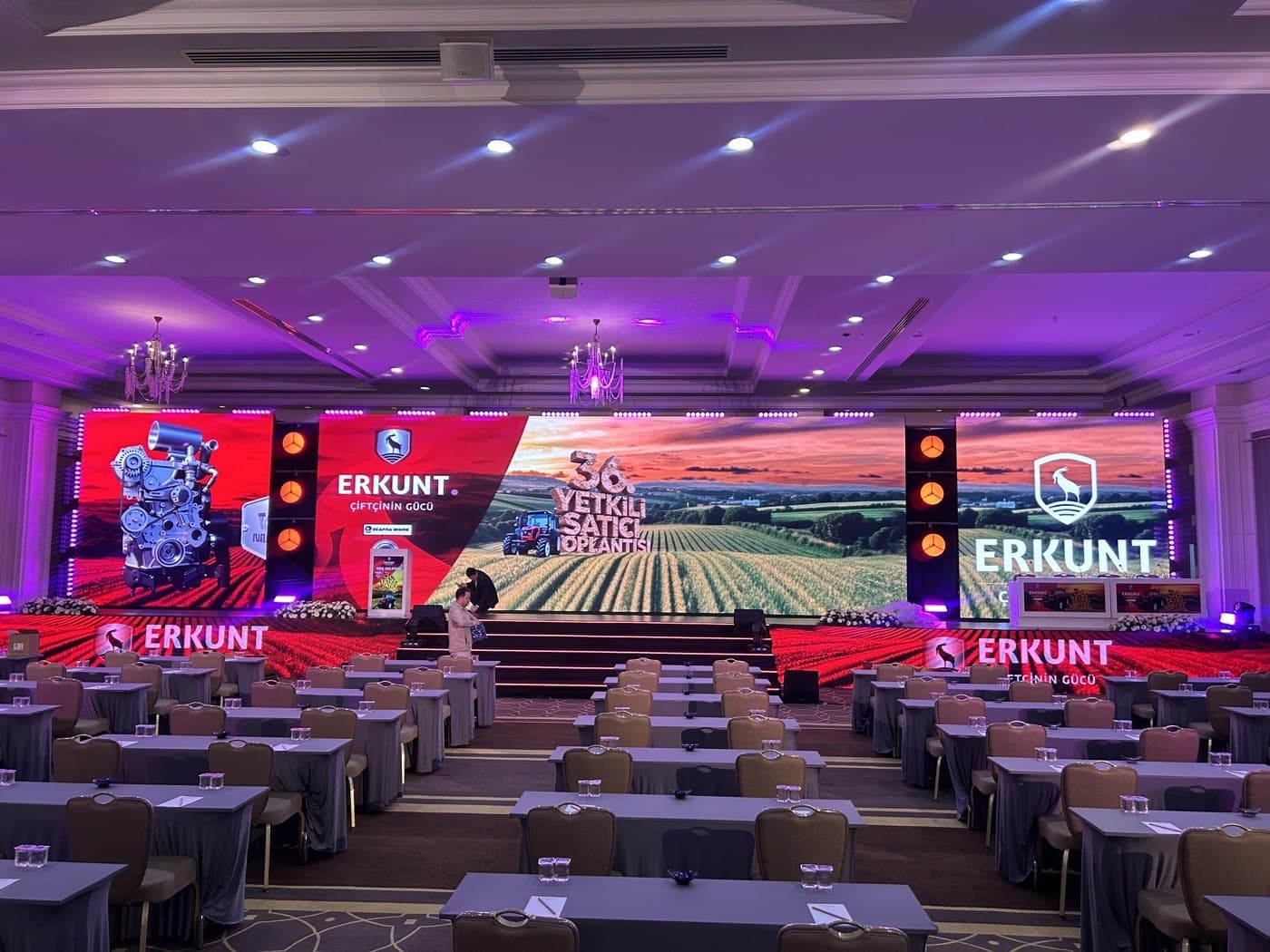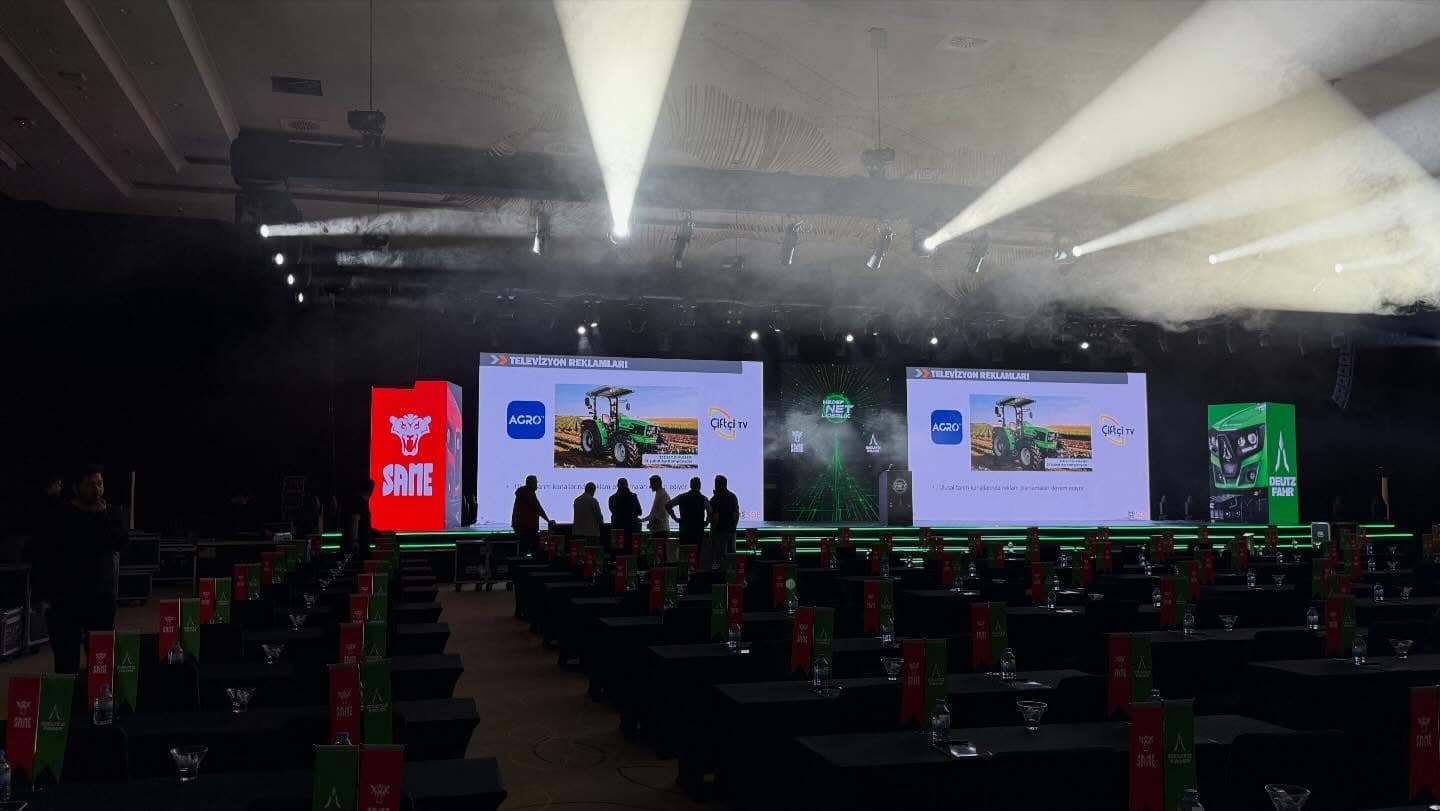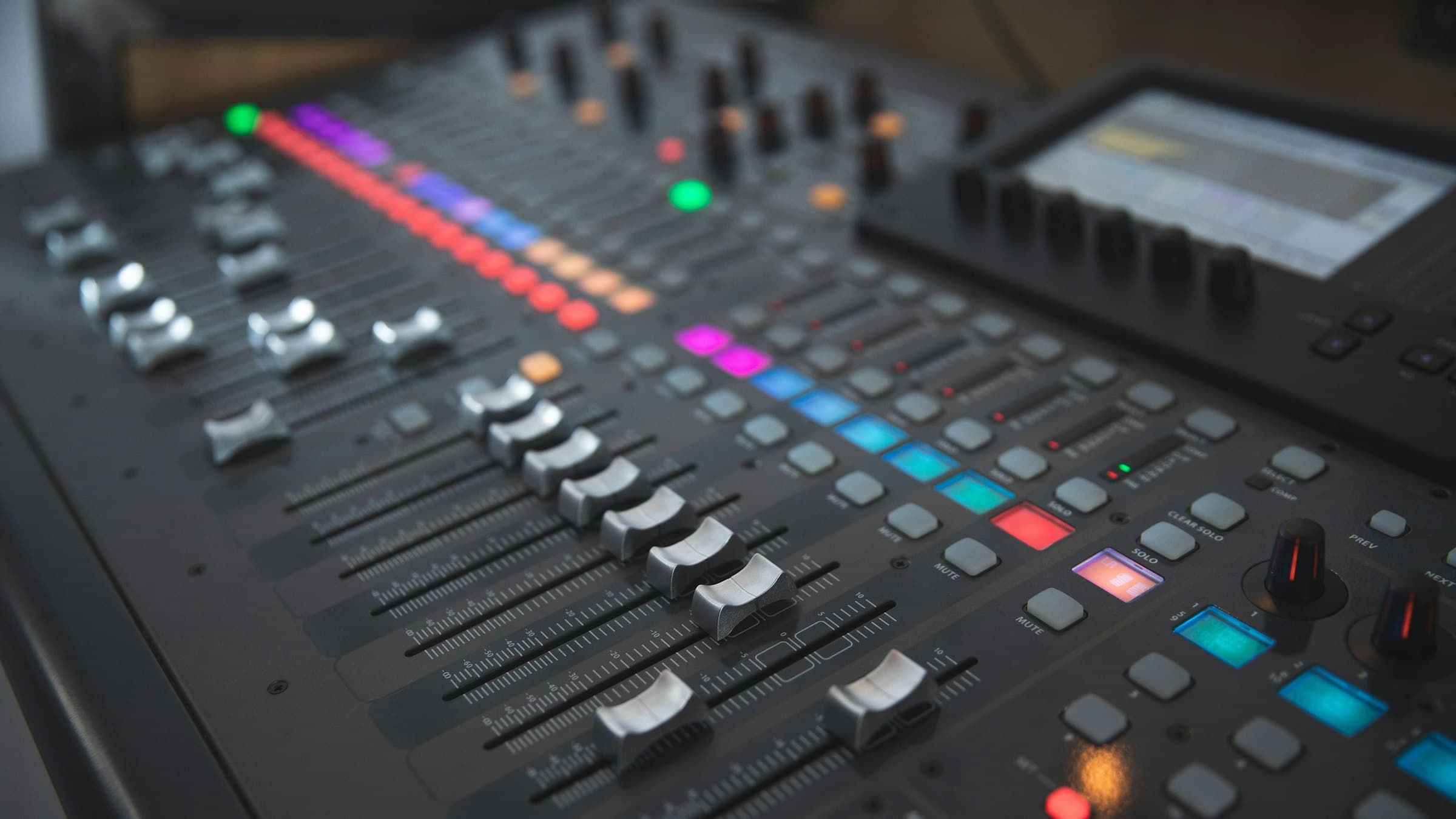
If you are working out the sound system hire cost in Turkey from abroad, the quotes you receive can look impossible to compare. One supplier lists a single line called "PA system", another sends three pages of models, channels and crew roles. The difference is almost never the loudspeakers alone. Audio cost is driven by how much area the system has to cover, how many inputs come off the stage, how many wireless channels and monitor mixes the programme needs, and how many engineers stay on site. This guide explains each driver, gives typical packages by event size and shows how to compare offers from Turkish suppliers on equal terms.
What drives sound system hire cost in Turkey?
In short, six factors decide the price of an audio package, and the first two usually account for most of it:
- Coverage: the depth and width of the audience area, indoors or outdoors, and whether you need delays and front fills.
- Input count: microphones, instruments and playback sources, which determine the console, stageboxes and cabling.
- Wireless channels: each handheld or headset needs a receiver, batteries and a clean frequency.
- Monitoring: wedges or in-ear systems, the number of separate mixes and whether a dedicated monitor engineer is required.
- Crew: FOH engineer, monitor engineer, system tech and RF tech, plus the hours they work.
- Schedule and logistics: build, rehearsal, show and strike days, trucking distance, rigging points and power.
A conference in Istanbul and an open-air concert in Antalya might both be "1,000 guests", yet one is mostly about speech intelligibility and microphone management while the other is about throw, subwoofers and a larger crew.
Coverage: why wattage is the wrong unit
Many international briefs still ask for "a 10 kW system". Power ratings say little about whether the last row will understand the keynote. What actually sets the size of the system is geometry: how far the sound has to travel and how evenly it must arrive. A 20 m deep ballroom can often be covered by a pair of capable point source speakers. A 60 m deep open-air site usually calls for flown line array hangs and, depending on the system and audience layout, delay speakers. For the technical side, see our guide to choosing an event sound system; here we focus on cost.
- Point source systems are quick to deploy, need a small crew and suit rooms of a few hundred people.
- Line arrays throw further and more evenly, but add cabinets, flying hardware, motors or ground-stack frames, and time for measurement and alignment.
- Subwoofers scale with the music. A speech-led event needs very few; electronic music and concerts need a proper array, often in a cardioid configuration to keep the stage clean.
- Front fills and delays are small line items that decide what the first rows and the back third of the audience actually hear.
Flown or ground-stacked?
Flying the PA from truss or a roof stage usually gives the most even coverage, but needs approved rigging points, chain hoists and a rigging crew. Ground stacking is faster and usually cheaper, yet it tends to be too loud at the front, too quiet at the back and can block sightlines. In hotel ballrooms the ceiling rating and venue rules often make the decision for you, so share the venue's technical pack early.
Inputs, wireless and monitors
The stage side is where quotes diverge most. Two presenters at a product launch and a 20-piece orchestra at a gala may use similar loudspeakers, but the rest of the package is very different. A jazz trio might need 10 to 12 inputs; an orchestra with brass and strings can exceed 40. More inputs mean a larger console, stageboxes, more microphones and longer patching and soundcheck time. The artist's technical rider is the reference here; our guide what is a technical rider explains how to read one.
Wireless microphones deserve their own line in your budget. Panel sessions, award ceremonies and roaming hosts multiply the number of channels quickly. City centres and large resort hotels can be crowded radio environments, so frequency coordination, antenna distribution and spare channels are part of a professional offer, not extras.
Monitoring is the other variable. Wedges are fast to set and familiar to most performers. In-ear monitors reduce stage noise and suit bands with many mixes, but each performer needs a transmitter and bodypack. As a rough rule of thumb, once a band needs more than five or six separate mixes, a dedicated monitor engineer with a separate console is the safer choice. International acts often specify particular brands on their riders; ask your supplier to confirm any equivalents in writing before the contract is signed.
Crew, rehearsal and schedule
Labour is the part of an audio budget that is most often underestimated. A typical audio team includes:
- FOH engineer mixing what the audience hears and following the run of show.
- Monitor engineer mixing for performers on stage, a separate role on concerts.
- System technician who places, aligns and measures the PA.
- RF technician and stage hands for microphone changes, batteries, patching and changeovers.
Hours matter as much as headcount. Building, soundchecking, running the show and striking on the same day means long shifts and extra crew. If the venue allows a build the day before, soundcheck is calmer and overtime drops. Multi-day conferences and festivals are usually priced on the total hire period rather than day by day, because the system is installed once.
Typical audio packages by event size
The table below shows typical scope and relative budget level for common event types. It is a starting point for a conversation, not a price list.
| Size | Typical event | Typical scope | Crew | Relative budget |
|---|---|---|---|---|
| Small (50–150) | Meeting, seminar, cocktail | Pair of point source speakers, compact digital console, 2–4 wireless mics | 1 technician | Low |
| Medium (150–500) | Gala dinner, launch, wedding | Strong point source or compact line array, subs, front fills, monitors for a DJ or small band | 2–3 | Medium |
| Large (500–2,000) | Corporate concert, resort show, large gala | Flown line array, sub array, delays, full band monitoring | 3–5 | Medium to high |
| Very large (2,000+) | Concert, festival, public square event | Main hangs, out-fills, cardioid subs, delay towers, separate monitor desk | 5+ | High |
Outdoor events need more system than indoor events of the same size, because there are no walls or ceiling to help, and wind affects coverage. For concert-scale projects, see our concert production in Turkey page.
Which decisions move the budget most
| Decision | Impact | Comment |
|---|---|---|
| Open-air site with a deep audience | High | More cabinets, delays and power |
| Live band or orchestra | High | Inputs, mics, monitors and crew all grow together |
| Flying the PA | Medium to high | Rigging and hoists, but much better coverage |
| Number of wireless channels | Medium | Fix the panel and awards flow early to avoid surplus channels |
| Same-day build and strike | Medium | Night work and extra hands |
| DJ or playback-led programme | Low to medium | Few inputs; speakers and subs are the main cost |
Comparing audio quotes from Turkish suppliers
Ask every supplier the same questions and the gaps usually explain themselves:
- Is the PA listed by model and quantity, or only as total wattage?
- Does the design cover the whole audience, including front fills and delays?
- Do the input list and microphones match the artist rider?
- How many wireless channels are included, with spares and batteries?
- How many monitor mixes, and is a monitor engineer included?
- Will the FOH engineer and system tech stay for the whole show?
- Are build, soundcheck, strike, transport and VAT shown clearly?
- Who provides power, and is a generator needed?
Some resort hotels work with preferred in-house AV partners or have rules for external suppliers, so check venue conditions before you compare totals. A quote that looks much cheaper usually has something missing, often the delays, the monitor engineer or the backup equipment.
Where not to cut
You can save sensibly by fixing the run of show early, building the day before and booking sound, lighting, LED and staging from one supplier to combine transport. What you should not cut is redundancy: spare microphones and receivers, a console protected by an uninterruptible power supply, an engineer on site for the full show and safe flying or stacking outdoors. When audio fails, the event stops. See the systems we supply on our sound system rental in Turkey page; our event production in Turkey service plans audio together with stage, lighting and video. Share your date, venue, audience size, run of show and riders through our quote form and we will send a clearly itemised proposal.